
Back Course Meaning
Back Course Meaning - You fly right to correct left and versa vice — totally counterintuitive to pilots who’ve. Back course, in simple terms, refers to. For an aircraft to approach the instrument runway from the end on which the localizer antenna is installed, the back course must be flown. Back courses) the approach course formed by the rear lobe of the signal pattern of a localizer antenna array (the portion of the localizer signal. A localizer back course is shown as on aeronautical. Browse the use examples 'back course' in the great english corpus. Backcourse approximates 8 times vor sensitivity and twice that of the front course. When you fly a localizer back course approach (loc bc), you're navigating to the runway using horizontal guidance off of a localizer system, but in the opposite direction that you'd normally use the localizer. Ils localizer has four times sensitivity. This abbreviation is commonly used by pilots and air traffic controllers. A localizer sends out a signal in two directions, the one opposite to the approach to the runway is the back course, and it can also be used for lateral navigation, though the guidance works. Depending on your aircraft’s navigational equipment, flying a back course approach could mean you are dealing with a reverse sensing localizer: Browse the use examples 'back course' in the great english corpus. Back courses) ( aviation ) the approach course formed by the rear lobe of the signal pattern of a localizer antenna array (the portion of the localizer signal emitted from the. Back course, in simple terms, refers to. A back course, also known as a bc, refers to the reciprocal of a localizer course for an instrument landing system (ils). Ils localizer has four times sensitivity. When a course deviation indicator (cdi) tells. When you fly a localizer back course approach (loc bc), you're navigating to the runway using horizontal guidance off of a localizer system, but in the opposite direction that you'd normally use the localizer. You fly right to correct left and versa vice — totally counterintuitive to pilots who’ve. This abbreviation is commonly used by pilots and air traffic controllers. Back courses) ( aviation ) the approach course formed by the rear lobe of the signal pattern of a localizer antenna array (the portion of the localizer signal emitted from the. Backcourse approximates 8 times vor sensitivity and twice that of the front course. Hello, magtatanong lang po sana. Depending on your aircraft’s navigational equipment, flying a back course approach could mean you are dealing with a reverse sensing localizer: When you fly a localizer back course approach (loc bc), you're navigating to the runway using horizontal guidance off of a localizer system, but in the opposite direction that you'd normally use the localizer. Back course (english) noun back. A localizer sends out a signal in two directions, the one opposite to the approach to the runway is the back course, and it can also be used for lateral navigation, though the guidance works. A localizer back course is shown as on aeronautical. When a course deviation indicator (cdi) tells. The approach course formed by the rear lobe of. A localizer back course has a lot higher chance of interference, since between the plane on approach and the antenna is usually a fence, a road, trees, etc. A localizer sends out a signal in two directions, the one opposite to the approach to the runway is the back course, and it can also be used for lateral navigation, though. This abbreviation is commonly used by pilots and air traffic controllers. Back course (english) noun back course (pl. In simple terms, it is an approach that allows an aircraft to land on an. A localizer back course has a lot higher chance of interference, since between the plane on approach and the antenna is usually a fence, a road, trees,. Back courses) ( aviation ) the approach course formed by the rear lobe of the signal pattern of a localizer antenna array (the portion of the localizer signal emitted from the. Backcourse approximates 8 times vor sensitivity and twice that of the front course. Learn the definition of 'back course'. This abbreviation is commonly used by pilots and air traffic. Hello, magtatanong lang po sana kung ano meaning ng back course? Bc stands for back course, a term used in aviation and navigation to refer to the reverse course of a navigation aid. A localizer back course is shown as on aeronautical. Browse the use examples 'back course' in the great english corpus. Back course (english) noun back course (pl. Back course, in simple terms, refers to. Depending on your aircraft’s navigational equipment, flying a back course approach could mean you are dealing with a reverse sensing localizer: Ils localizer has four times sensitivity. A back course, also known as a bc, refers to the reciprocal of a localizer course for an instrument landing system (ils). When a course deviation. Check out the pronunciation, synonyms and grammar. Hello, magtatanong lang po sana kung ano meaning ng back course? For an aircraft to approach the instrument runway from the end on which the localizer antenna is installed, the back course must be flown. Back courses) ( aviation ) the approach course formed by the rear lobe of the signal pattern of. Back course is mirror of course with reverse needle sensing. A localizer back course is shown as on aeronautical. Depending on your aircraft’s navigational equipment, flying a back course approach could mean you are dealing with a reverse sensing localizer: When a course deviation indicator (cdi) tells. Back course, in simple terms, refers to. Back courses) ( aviation ) the approach course formed by the rear lobe of the signal pattern of a localizer antenna array (the portion of the localizer signal emitted from the. A localizer sends out a signal in two directions, the one opposite to the approach to the runway is the back course, and it can also be used for lateral navigation, though the guidance works. A localizer back course has a lot higher chance of interference, since between the plane on approach and the antenna is usually a fence, a road, trees, etc. Back course, in simple terms, refers to. The approach course formed by the rear lobe of the signal pattern of a localizer antenna array (the portion of the localizer signal emitted from the rear face of the antenna array), oriented in. When you fly a localizer back course approach (loc bc), you're navigating to the runway using horizontal guidance off of a localizer system, but in the opposite direction that you'd normally use the localizer. When a course deviation indicator (cdi) tells. For an aircraft to approach the instrument runway from the end on which the localizer antenna is installed, the back course must be flown. Back course (english) noun back course (pl. Depending on your aircraft’s navigational equipment, flying a back course approach could mean you are dealing with a reverse sensing localizer: Back course is mirror of course with reverse needle sensing. This abbreviation is commonly used by pilots and air traffic controllers. Hello, magtatanong lang po sana kung ano meaning ng back course? Learn the definition of 'back course'. A back course, also known as a bc, refers to the reciprocal of a localizer course for an instrument landing system (ils). Ils localizer has four times sensitivity.
How To Fly A Localizer Back Course Approach Boldmethod
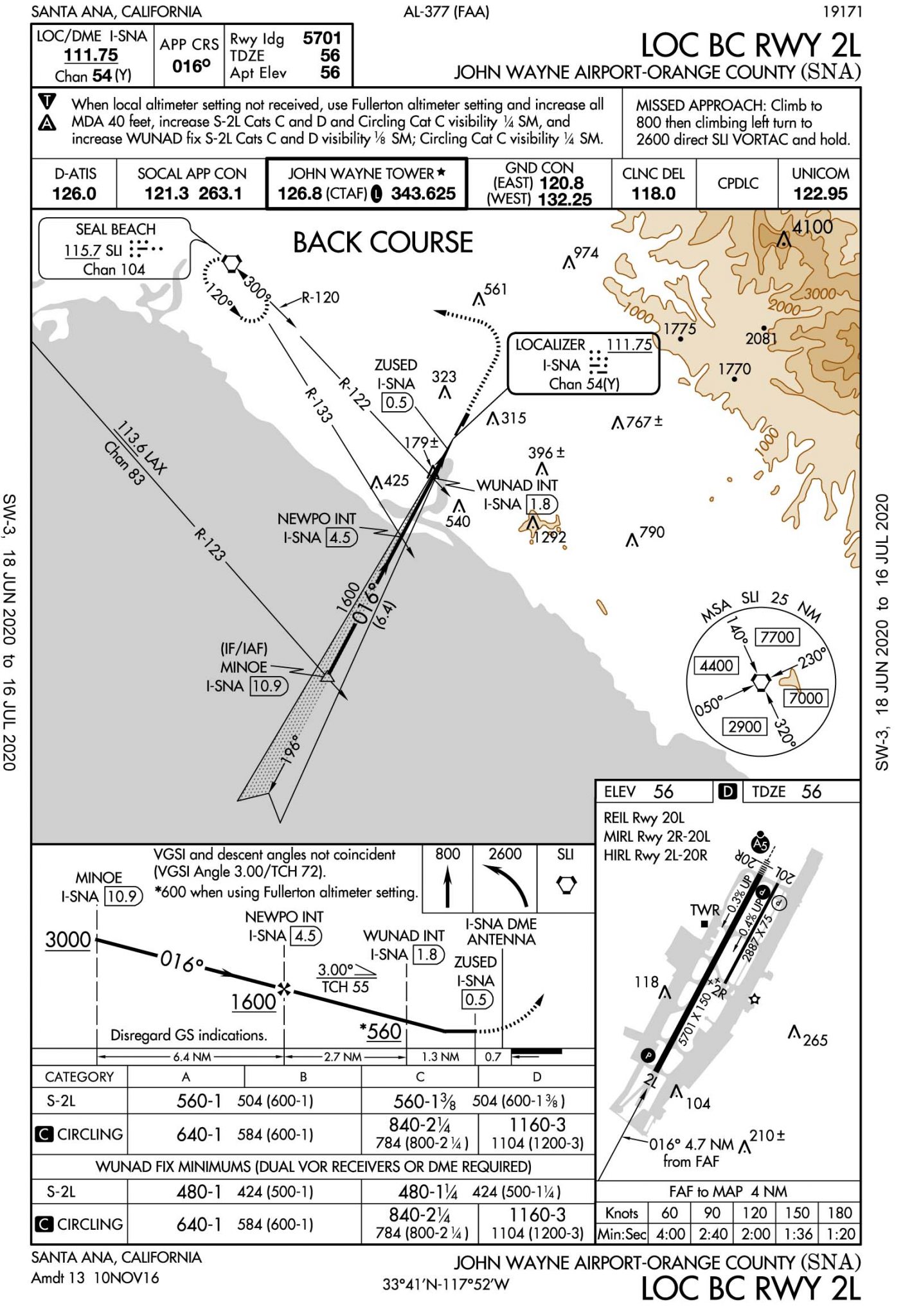
Making Sense of the BackCourse Approach How to prepare before you

How To Fly A Localizer Back Course Approach Boldmethod Courses

How to Fly a Localizer Back Course Approach Localizer Back Course

Localizer Back Course ( LOC BC ) Tutorial with NAVIGRAPH YouTube
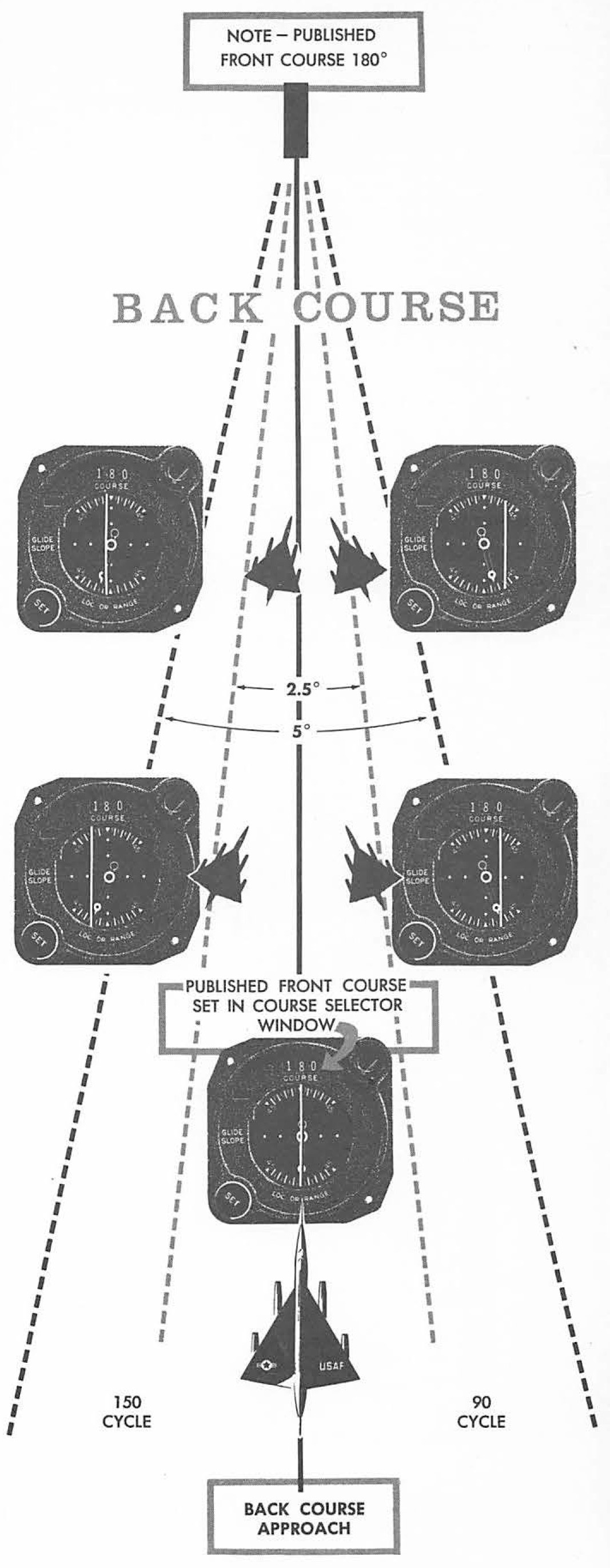
Back Course Localizer
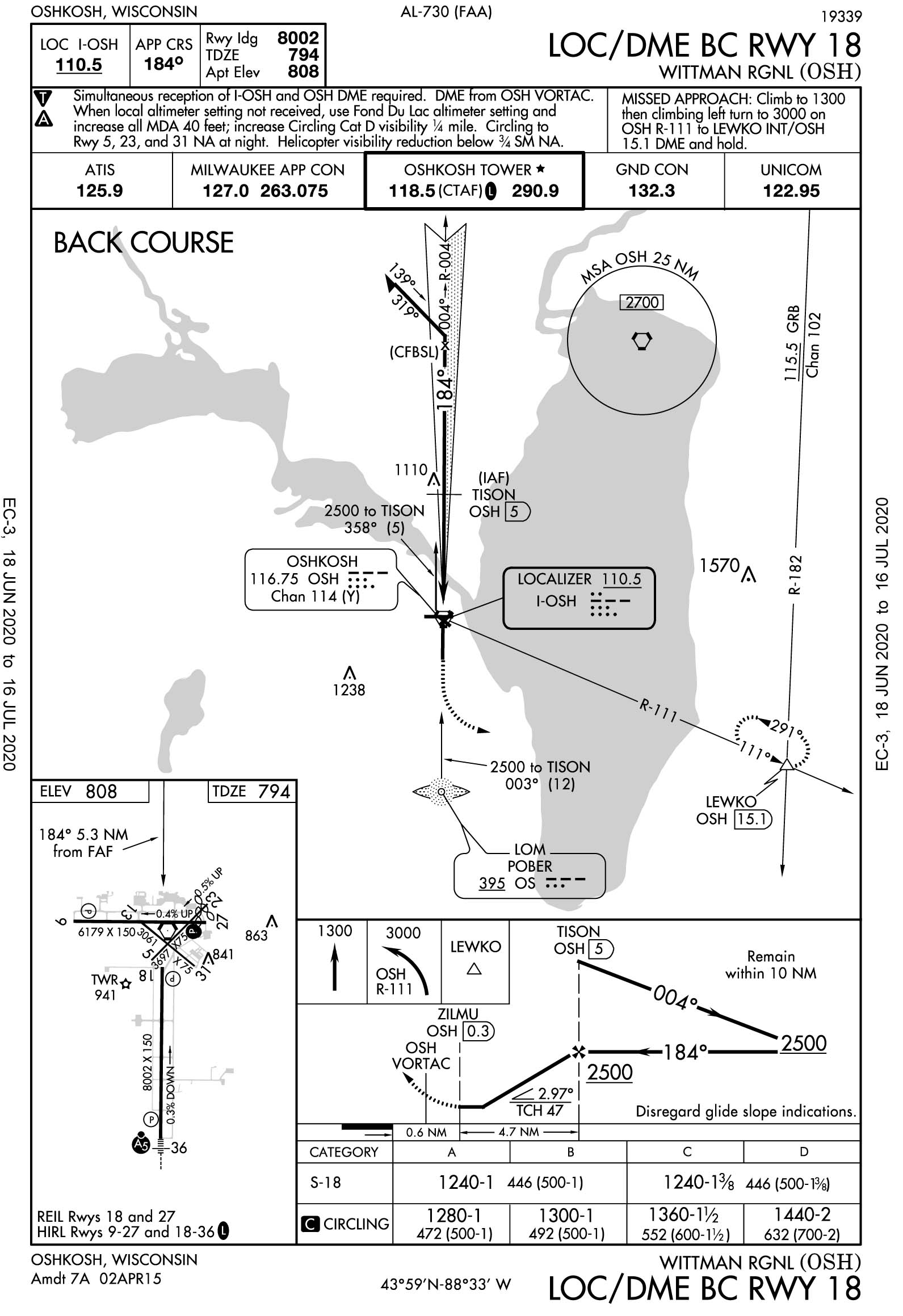
Making Sense of the BackCourse Approach How to prepare before you

How To Fly A Localizer Back Course Approach Boldmethod Aviation

Back Course Departure YouTube

How To Fly A Localizer Back Course Approach Aviation education
You Fly Right To Correct Left And Versa Vice — Totally Counterintuitive To Pilots Who’ve.
Backcourse Approximates 8 Times Vor Sensitivity And Twice That Of The Front Course.
In Simple Terms, It Is An Approach That Allows An Aircraft To Land On An.
Browse The Use Examples 'Back Course' In The Great English Corpus.
Related Post: