
Fallthrough Courses
Fallthrough Courses - Talk to your college’s registrar or transcript office about the necessary procedure. Courses can be designated in fallthrough for a number of reasons: Each educational experience prioritizes critical thinking, robust. If a student has changed majors, courses that once counted may no longer be. The credits can count toward overall degree requirements. Courses that were successfully completed, but do not count toward major requirements. Basically courses taken that don't really matter. That is, the course does not complete a requirement for the program. Our online and hybrid programs and courses are designed to accommodate the location and learning style of every student. If a student has changed majors, courses that once counted may no longer be required by the new major. Talk to your college’s registrar or transcript office about the necessary procedure. Transferology shows how courses you have taken or plan to take transfer to another college or university for credit. Fallthrough courses are those that a student has taken and completed successfully that do not have a place in the audit. It's a free tool for students! Courses that appear under the fallthrough block are courses which a student has passed but are not applicable towards their current major It's most likely free electives that don't count toward your degree. The credits can count toward overall degree requirements. If a student has changed majors, courses that once counted may no longer be required by the new major. Fallthrough courses are courses passed with a d or better, that are counted in your gpa but do not satisfy a specific requirement in the current audit. Transfer students may have fallthrough. If a student has changed majors, courses that once counted may no longer be. It's most likely free electives that don't count toward your degree. The credits can count toward overall degree requirements. Using the dw planner, i’m trying to figure out. Courses will appear in the fallthrough category if they do not satisfy the requirements of your degree plan,. If a student has changed majors, courses that once counted may no longer be required by the new major. Each educational experience prioritizes critical thinking, robust. In the audit section of degree works there is a section called “elective” but in the planner section it’s called “fallthrough course”. What is the fallthrough section? Courses that were successfully completed, but do. An eform may be filed to request the use of courses that appear in the fallthrough section of graduate degree works to be applied to the program. Each educational experience prioritizes critical thinking, robust. What is the fallthrough section? If a student has changed majors, courses that once counted may no longer be. Fallthrough courses are courses passed with a. How do i change my gpa on my transcript? Fallthrough courses are courses passed with a d or better, that are counted in your gpa but do not satisfy a specific requirement in the current audit. Courses that were successfully completed, but do not count toward major requirements. What is the fallthrough section? Our online and hybrid programs and courses. In the audit section of degree works there is a section called “elective” but in the planner section it’s called “fallthrough course”. Transfer students may have fallthrough. Basically courses taken that don't really matter. Fallthrough courses are those that a student has taken and completed successfully that do not have a place in the audit. If a student has changed. Transfer students may have fallthrough. Fallthrough courses are courses passed with a d or better, that are counted in your gpa but do not satisfy a specific requirement in the current audit. Talk to your college’s registrar or transcript office about the necessary procedure. That is, the course does not complete a requirement for the program. Fallthrough courses are those. In the audit section of degree works there is a section called “elective” but in the planner section it’s called “fallthrough course”. Fallthrough courses are those that a student has taken and completed successfully that do not have a place in the audit. Courses that appear under the fallthrough block are courses which a student has passed but are not. Talk to your college’s registrar or transcript office about the necessary procedure. Transfer students may have fallthrough. What is the fallthrough section? Each educational experience prioritizes critical thinking, robust. In the audit section of degree works there is a section called “elective” but in the planner section it’s called “fallthrough course”. That is, the course does not complete a requirement for the program. How do i change my gpa on my transcript? An eform may be filed to request the use of courses that appear in the fallthrough section of graduate degree works to be applied to the program. It's most likely free electives that don't count toward your degree. Each. Transfer students may have fallthrough. Fallthrough courses are courses passed with a d or better, that are counted in your gpa but do not satisfy a specific requirement in the current audit. It's most likely free electives that don't count toward your degree. The credits can count toward overall degree requirements. Courses can be designated in fallthrough for a number. If a student has changed majors, courses that once counted may no longer be. An eform may be filed to request the use of courses that appear in the fallthrough section of graduate degree works to be applied to the program. Courses can be designated in fallthrough for a number of reasons: Using the dw planner, i’m trying to figure out. Fallthrough courses are courses passed with a d or better, that are counted in your gpa but do not satisfy a specific requirement in the current audit. How do i change my gpa on my transcript? Courses will appear in the fallthrough category if they do not satisfy the requirements of your degree plan, or if you have already satisfied a requirement and your planned course is an. Courses that were successfully completed, but do not count toward major requirements. Transfer students may have fallthrough. Transferology shows how courses you have taken or plan to take transfer to another college or university for credit. What is the fallthrough section? Talk to your college’s registrar or transcript office about the necessary procedure. Courses that appear under the fallthrough block are courses which a student has passed but are not applicable towards their current major That is, the course does not complete a requirement for the program. Fallthrough courses are courses passed with a d or better, that are counted in your gpa but do not satisfy a specific requirement in the current audit. Our online and hybrid programs and courses are designed to accommodate the location and learning style of every student.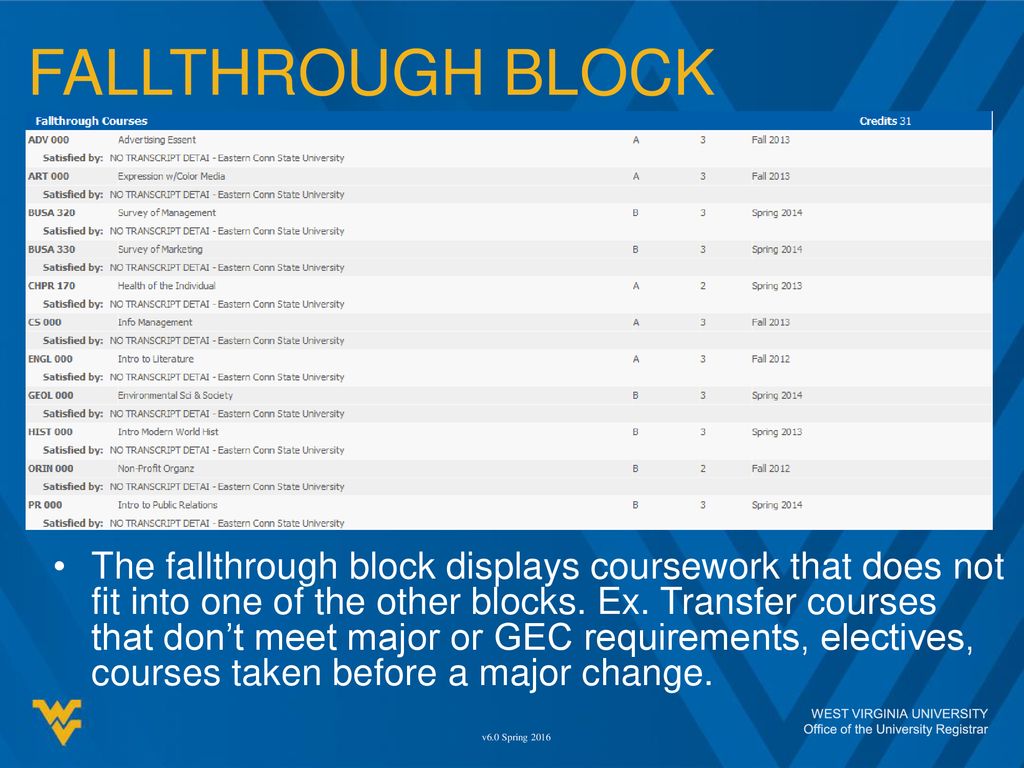
Introduction to Degree works ppt download
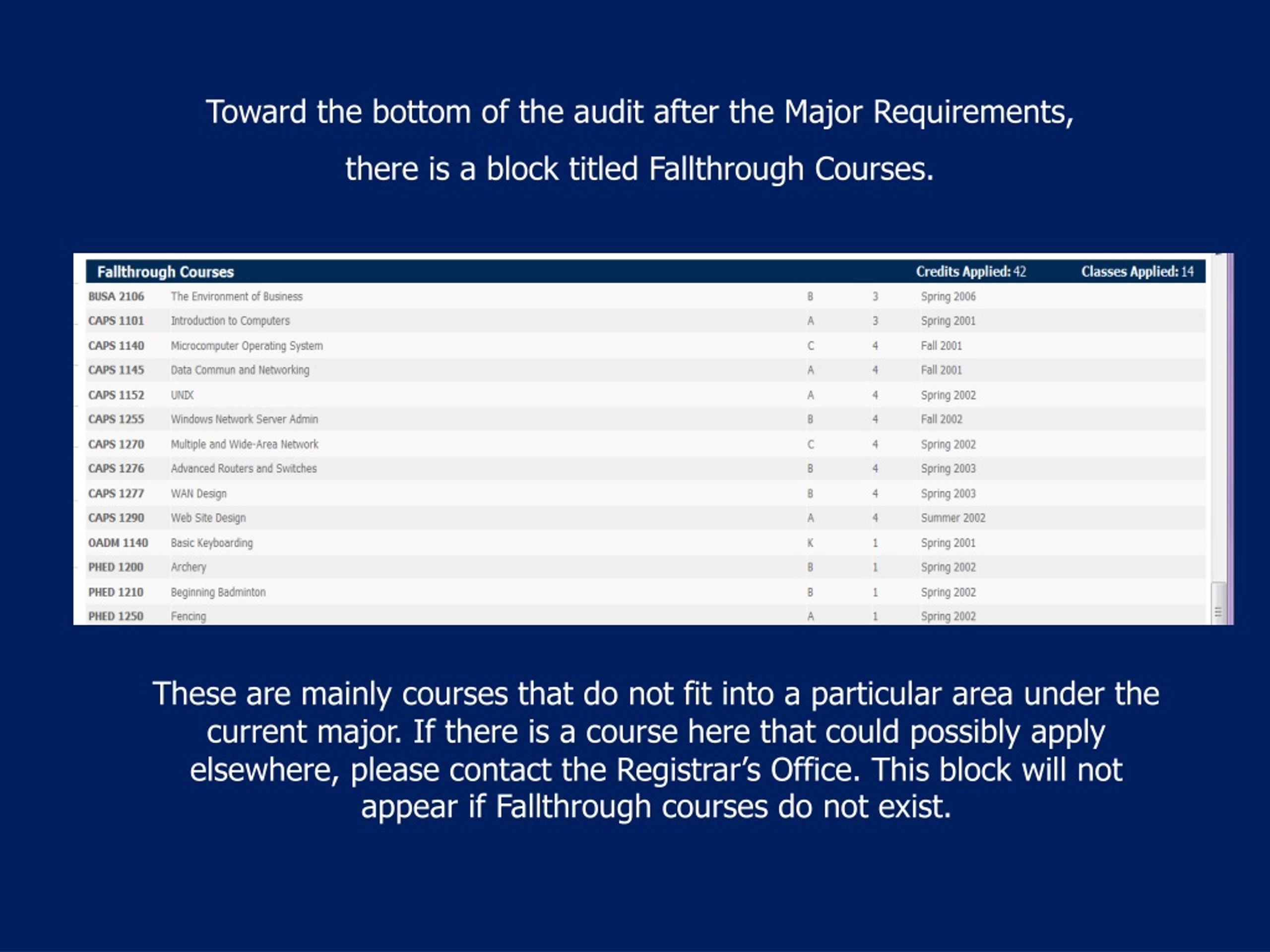
PPT DegreeWorks Training Guide PowerPoint Presentation, free download

go语言fallthrough的用法心得 迪克猪 博客园
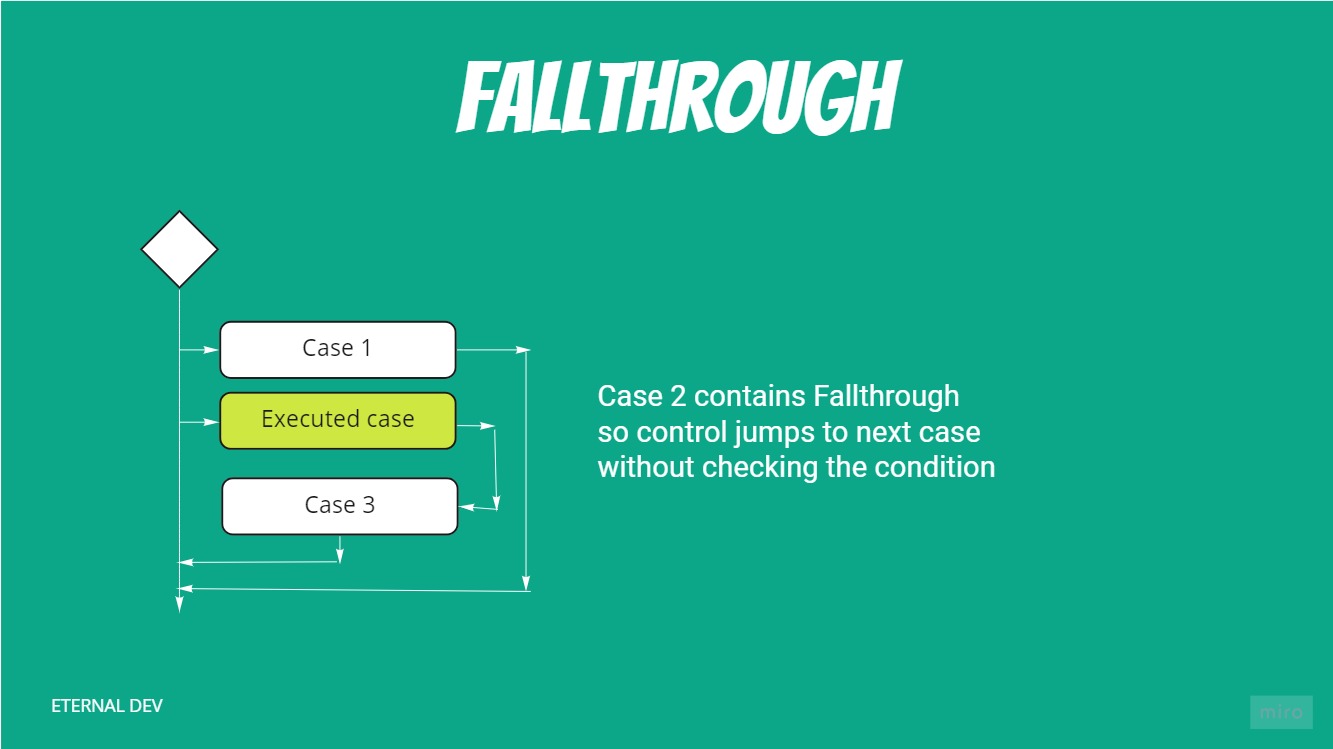
Go Switch 6 ways of using Switch in Go Eternal Dev Learn Web

Degree Works for Graduate Students ppt download
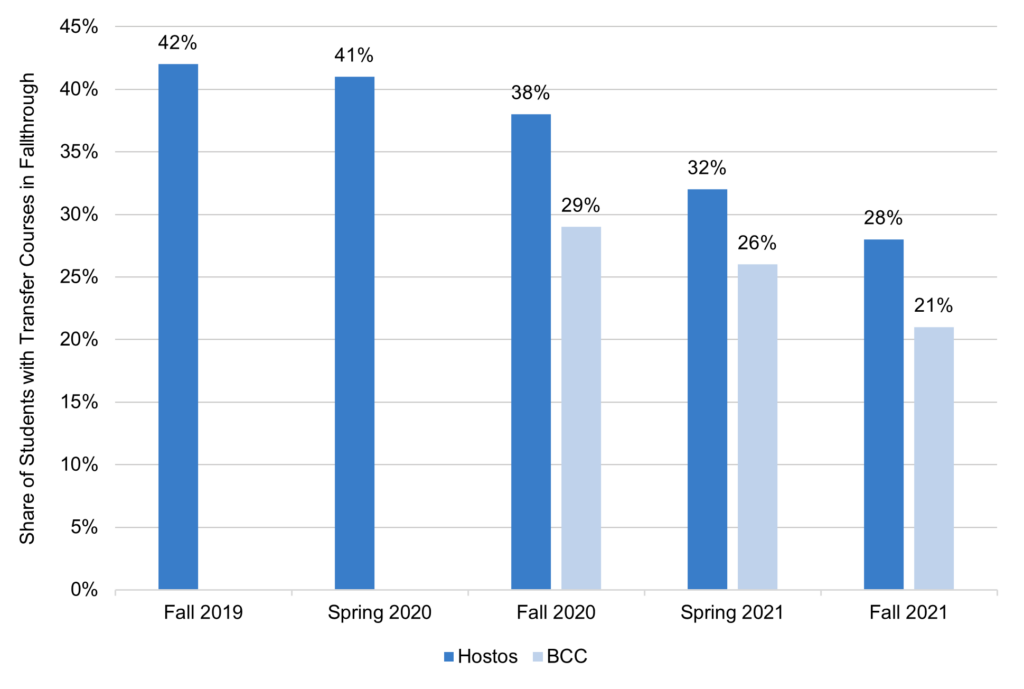
Archiving Degree Audit Data to Measure and Reduce Lost Transfer Credit
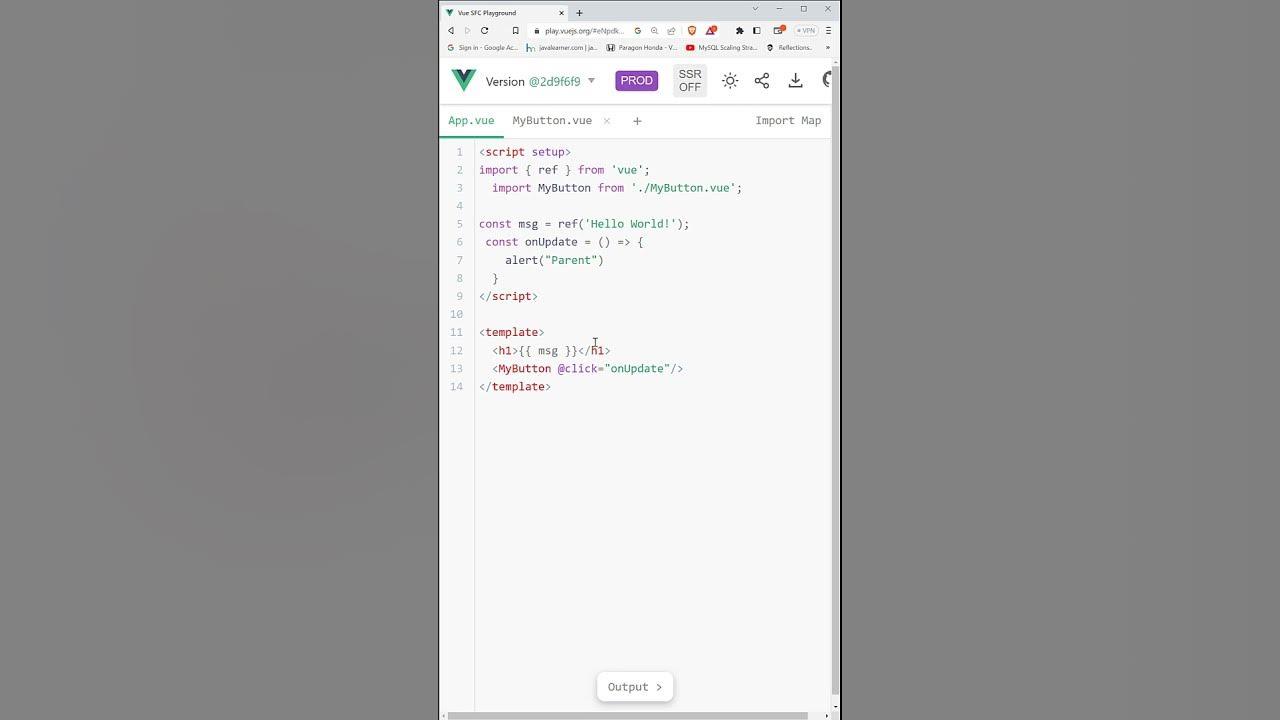
Event listeners in the fallthrough attributes component vue3
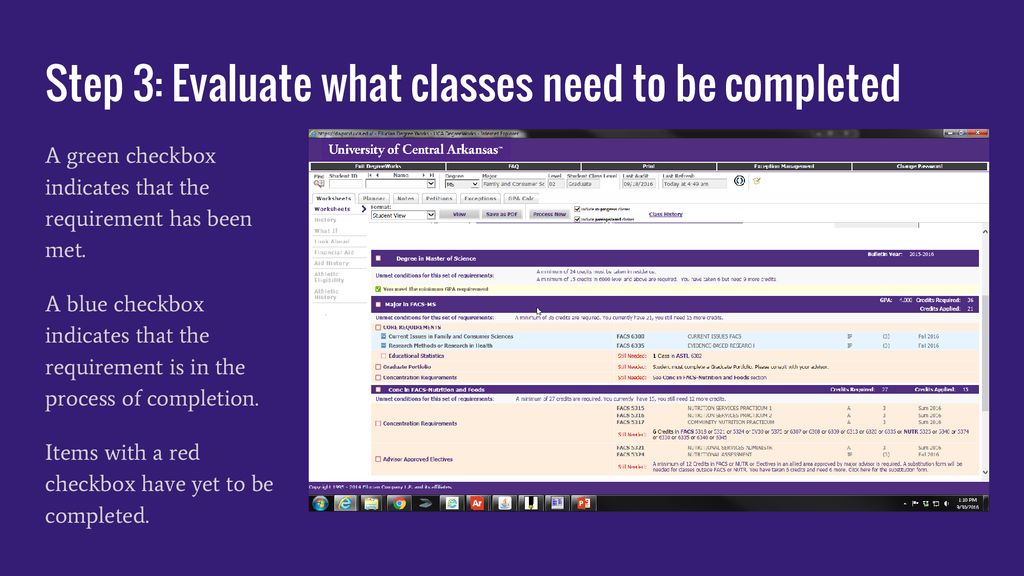
Degree Works for Graduate Students ppt download
7.5 Switch Fallthrough and Scoping Learn C++ PDF Scope
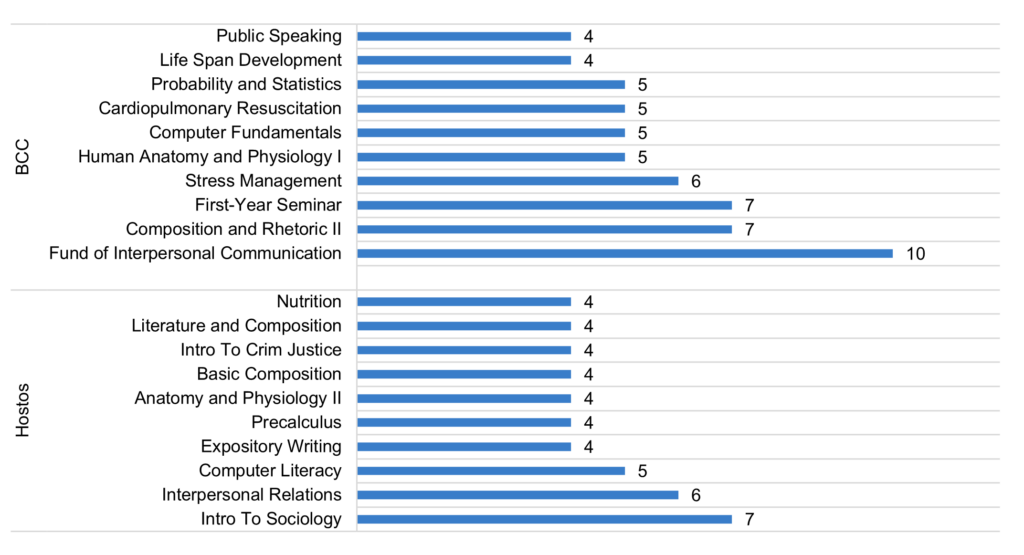
Archiving Degree Audit Data to Measure and Reduce Lost Transfer Credit
Basically Courses Taken That Don't Really Matter.
It's A Free Tool For Students!
Courses Can Be Designated In Fallthrough For A Number Of Reasons.
In The Audit Section Of Degree Works There Is A Section Called “Elective” But In The Planner Section It’s Called “Fallthrough Course”.
Related Post:
