
Life Course Approach Sociology
Life Course Approach Sociology - The life course approach, also known as the life course perspective, or life course theory, refers to an approach developed in the 1960s for analyzing people’s lives within structural, social, and cultural contexts. The life course is a conceptual paradigm encompassing all stages of human life from birth to death within their changing social structural contexts. (5) human agency and personal control; The life course perspective is a sociological way of defining the process of life through the context of a culturally defined sequence of age categories that people are normally expected to pass through as they progress from birth to death. The life course perspective is a sociological framework that examines how social, historical, and cultural factors shape the trajectories and transitions individuals experience throughout their lives. The life course perspetive emphasizes the influence of social institutions, structures, and public policies on individual lives (kohli, 2007). Rather than focusing on only macro or micro factors, the life course perspective embeds personal experiences in the broad social context. In this paper, we seek to address three interlinked issues concerning the potential for a more productive interchange between life course sociology and life span psychology. The life course perspective originated in the “social structure and personality” school of social psychology, which recognized age as a key social location affecting individual values. The life histories and future trajectories of individuals and groups were largely neglected by early sociological research. The life course approach, also known as the life course perspective, or life course theory, refers to an approach developed in the 1960s for analyzing people’s lives within structural, social, and cultural contexts. Several fundamental principles characterize the life course approach. Life course theory (lct) looks at how chronological age, relationships, common life transitions, life events, social change, and human agency shape people’s lives from birth to death. The life histories and future trajectories of individuals and groups were largely neglected by early sociological research. Originating in the 1960s, this approach emphasizes the significance of historical timing, personal choices, and social relationships in influencing life trajectories. The life course perspective provides a lens or framework for understanding continuity and change in human lives. We first discuss the need for a systematized approach to life course theory that integrates parallel and partially redundant concepts developed in a variety of disciplines. The life course perspetive emphasizes the influence of social institutions, structures, and public policies on individual lives (kohli, 2007). The life course perspective is a sociological framework that examines how social, historical, and cultural factors shape the trajectories and transitions individuals experience throughout their lives. The life course approach has become the “new wave” program for studying aging and human development as a dynamic and heterogeneous phenomenon (o’rand & krecker, 1990, p. Several fundamental principles characterize the life course approach. The life course is a sociological concept that examines the social and cultural factors influencing individuals' lives from birth to death, focusing on how age, relationships, and historical events shape experiences and behaviors over time. The life course approach, also known as the life course perspective, or life course theory, refers to. Life course theory (lct) looks at how chronological age, relationships, common life transitions, life events, social change, and human agency shape people’s lives from birth to death. This concise volume provides an excellent overview of the key themes of life course sociology, with chapters dedicated to general principles as well as specific life course stages and outcomes. The life course. This concise volume provides an excellent overview of the key themes of life course sociology, with chapters dedicated to general principles as well as specific life course stages and outcomes. The life course is a central concept in sociology, representing the sequence of socially defined events and roles that an individual enacts over time. The life course is a sociological. (5) human agency and personal control; We first discuss the need for a systematized approach to life course theory that integrates parallel and partially redundant concepts developed in a variety of disciplines. Principles of the life course perspective. Life course theory (lct) looks at how chronological age, relationships, common life transitions, life events, social change, and human agency shape people’s. The life course perspective is a sociological framework that examines how social, historical, and cultural factors shape the trajectories and transitions individuals experience throughout their lives. The life course perspective provides a lens or framework for understanding continuity and change in human lives. The life course perspective or life course theory (lct) is a multidisciplinary approach to understanding the mental,. The life course approach, also known as life course theory, is a sociological framework that examines how various experiences and contexts shape an individual's development over time. Life course theory (lct) looks at how chronological age, relationships, common life transitions, life events, social change, and human agency shape people’s lives from birth to death. Principles of the life course perspective.. The life course perspective is a sociological way of defining the process of life through the context of a culturally defined sequence of age categories that people are normally expected to pass through as they progress from birth to death. The life course approach has become the “new wave” program for studying aging and human development as a dynamic and. The life course approach, also known as life course theory, is a sociological framework that examines how various experiences and contexts shape an individual's development over time. And (6) how the past shapes the future. This concise volume provides an excellent overview of the key themes of life course sociology, with chapters dedicated to general principles as well as specific. This concise volume provides an excellent overview of the key themes of life course sociology, with chapters dedicated to general principles as well as specific life course stages and outcomes. Rather than focusing on only macro or micro factors, the life course perspective embeds personal experiences in the broad social context. The life course perspetive emphasizes the influence of social. The life course is a sociological concept that examines the social and cultural factors influencing individuals' lives from birth to death, focusing on how age, relationships, and historical events shape experiences and behaviors over time. The life course approach has become the “new wave” program for studying aging and human development as a dynamic and heterogeneous phenomenon (o’rand & krecker,. The life course approach, also known as the life course perspective or life course theory, refers to an approach developed in the 1960s for analyzing people's lives within structural, social, and cultural contexts. The life course perspetive emphasizes the influence of social institutions, structures, and public policies on individual lives (kohli, 2007). We first discuss the need for a systematized approach to life course theory that integrates parallel and partially redundant concepts developed in a variety of disciplines. And (6) how the past shapes the future. The life course is a conceptual paradigm encompassing all stages of human life from birth to death within their changing social structural contexts. It examines the current and potential use of new technologies, methods and collaborative approaches in life course studies and provides updated reviews of. Principles of the life course perspective. This concise volume provides an excellent overview of the key themes of life course sociology, with chapters dedicated to general principles as well as specific life course stages and outcomes. It locates individual and family development in cultural and historical contexts. (5) human agency and personal control; The life course perspective provides a lens or framework for understanding continuity and change in human lives. The life course perspective originated in the “social structure and personality” school of social psychology, which recognized age as a key social location affecting individual values. Several fundamental principles characterize the life course approach. (4) linked lives and social ties to others; Rather than focusing on only macro or micro factors, the life course perspective embeds personal experiences in the broad social context. The life course is a sociological concept that examines the social and cultural factors influencing individuals' lives from birth to death, focusing on how age, relationships, and historical events shape experiences and behaviors over time.
PPT SOCIOLOGY Richard T. Schaefer PowerPoint Presentation ID500735

PPT The Sociological and Demographic Traditions in Life Course
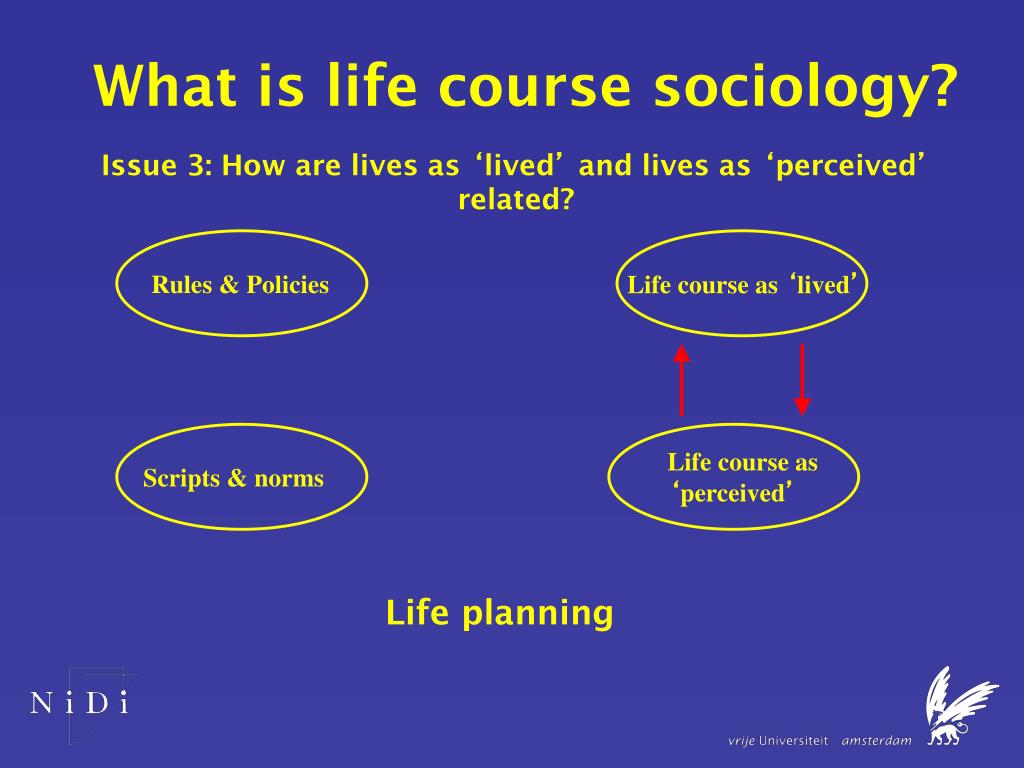
PPT The Sociological and Demographic Traditions in Life Course
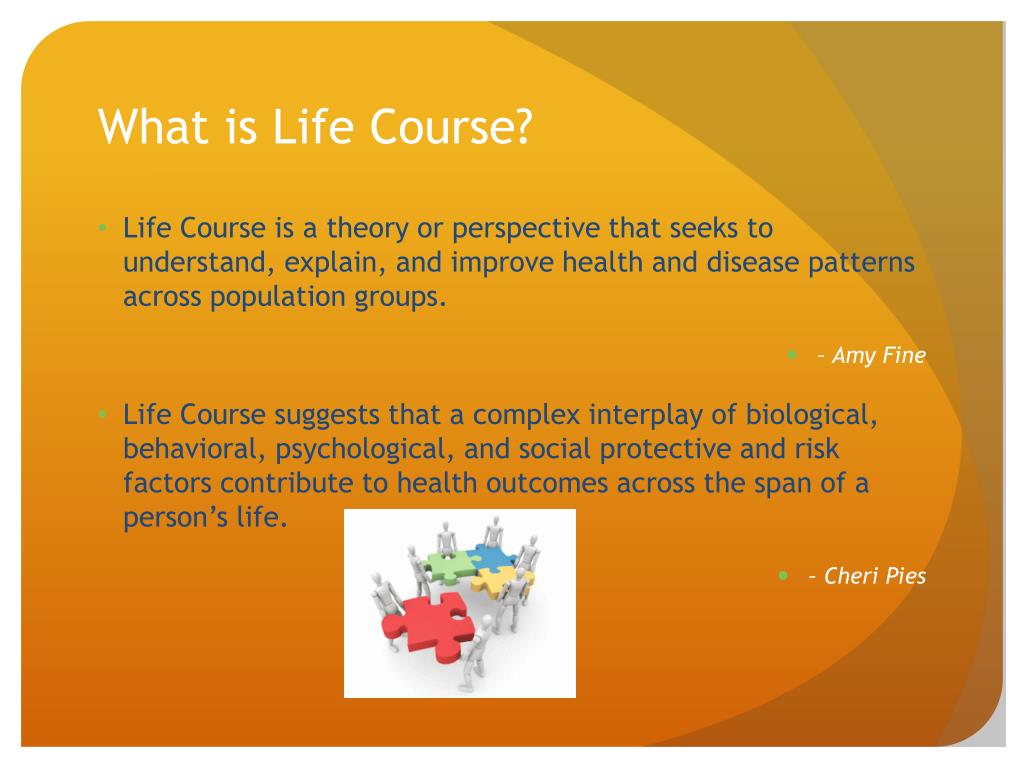
PPT Life Course Theory PowerPoint Presentation, free download ID
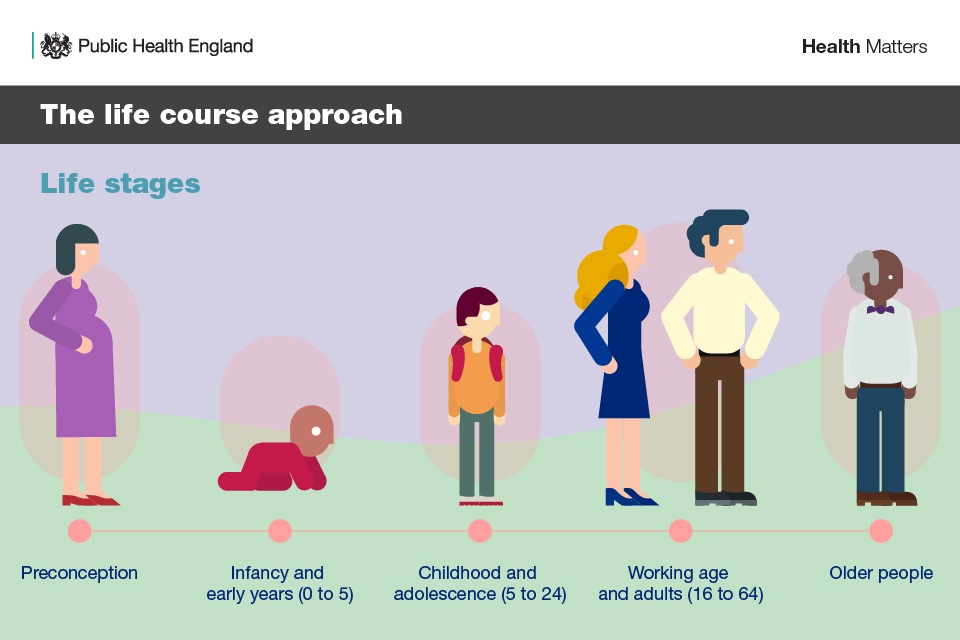
Health matters Prevention a life course approach GOV.UK
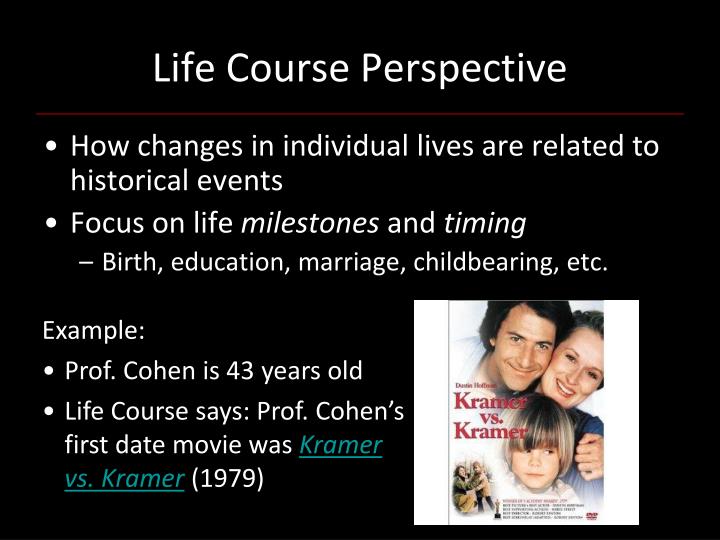
PPT Theories PowerPoint Presentation ID2594082
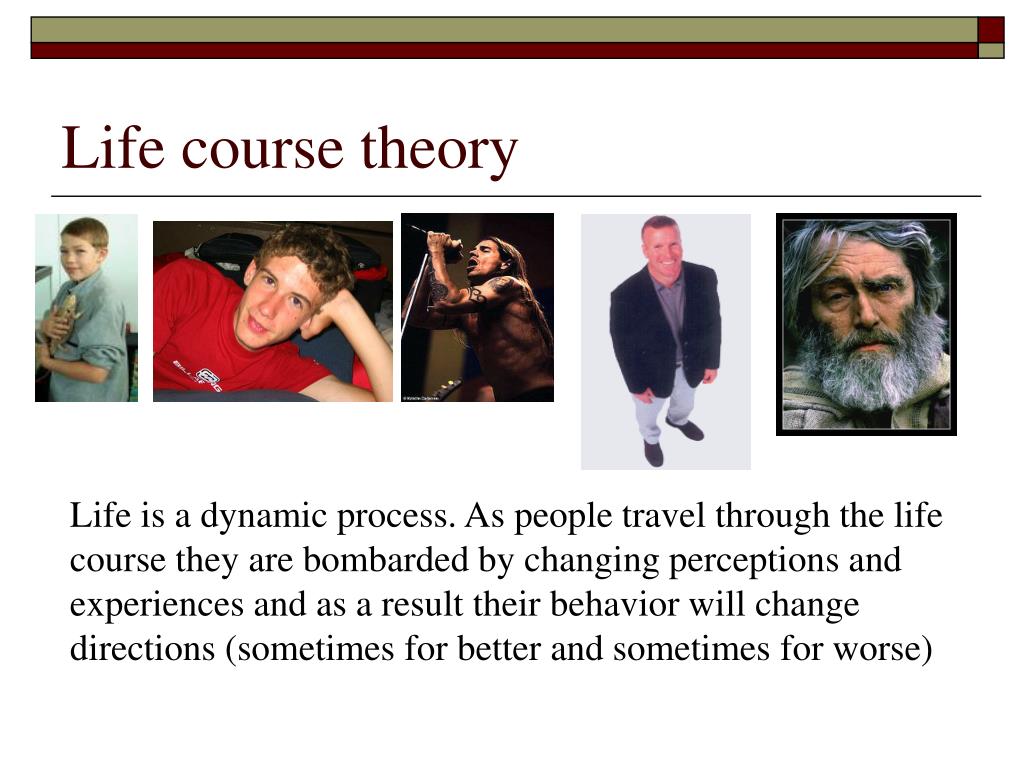
PPT Developmental Theories PowerPoint Presentation ID238761
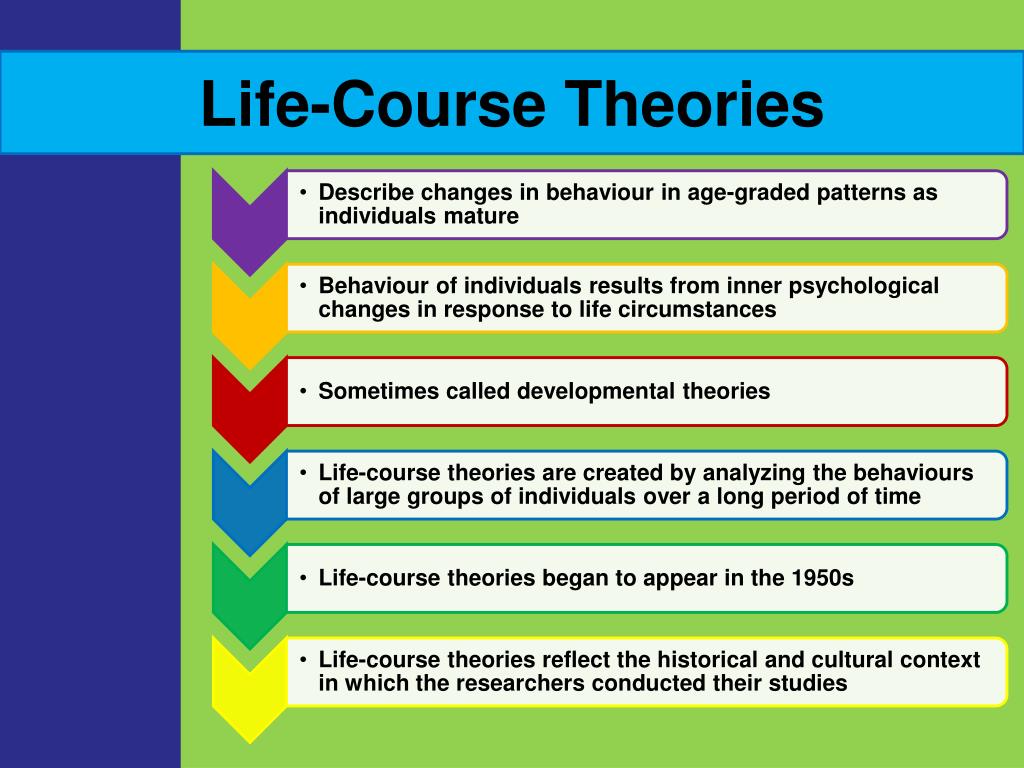
PPT Individuals and Families Diverse Perspectives Unit 2 Chapter 4

PPT The Sociological and Demographic Traditions in Life Course
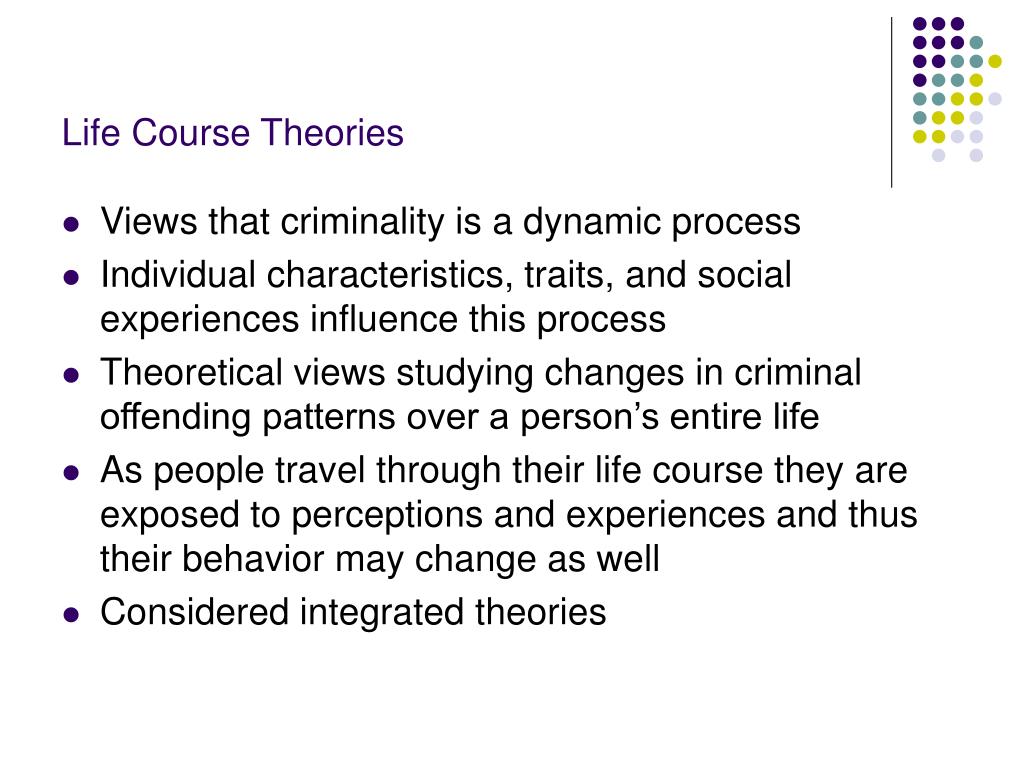
PPT Chapter Nine PowerPoint Presentation, free download ID652049
The Life Course Approach, Also Known As The Life Course Perspective, Or Life Course Theory, Refers To An Approach Developed In The 1960S For Analyzing People’s Lives Within Structural, Social, And Cultural Contexts.
As Sociologists Examining The Life Course, We Will Emphasize The Dynamic Interactions Between People And Their Environment.
In This Paper, We Seek To Address Three Interlinked Issues Concerning The Potential For A More Productive Interchange Between Life Course Sociology And Life Span Psychology.
Life Course Theory (Lct) Looks At How Chronological Age, Relationships, Common Life Transitions, Life Events, Social Change, And Human Agency Shape People’s Lives From Birth To Death.
Related Post: