Life Course Criminology
Life Course Criminology - Developmental and life course criminology does so by focusing on three main issues: Our science and engineering courses bring a variety of science topics to life. In this paper, we briefly consider the intellectual history of each component before focusing on the prospects for future advancement. The impact of critical life events; The developmental life course perspective emphasizes the importance of milestones, events, and transitions throughout life in understanding when or if criminal behavior will start and stop. The purpose of this research paper is to provide readers with an overview of what has been termed life course criminology. The theory is grounded in the. The importance of the social. Simons, johnson, conger, & elder, 1998). You will focus on understanding the latest. You will focus on understanding the latest. The development of offending and antisocial behavior, risk factors at different ages, and the effects. The inclusion of criminology into the degree affords you the opportunity to understanding how society makes sense of crime, criminality and its control as well as the relationship between. The first era covers the. (a) the development of offending and antisocial behaviour from the womb to the tomb; The importance of the social. Life course theory in criminology examines how individual experiences and events across the lifespan shape criminal behavior, incorporating factors like age, socialization, and life events. Simons, johnson, conger, & elder, 1998). Working alongside the education team at hmp erlestoke, and following years of preparation, they have brought their vision to life. Bsu’s school of science is now providing. The developmental life course perspective emphasizes the importance of milestones, events, and transitions throughout life in understanding when or if criminal behavior will start and stop. In this paper, we briefly consider the intellectual history of each component before focusing on the prospects for future advancement. The development of offending and antisocial behavior, risk factors at different ages, and the. The developmental life course perspective emphasizes the importance of milestones, events, and transitions throughout life in understanding when or if criminal behavior will start and stop. The paper begins with a brief overview of the criminal career. The inclusion of criminology into the degree affords you the opportunity to understanding how society makes sense of crime, criminality and its control. The inclusion of criminology into the degree affords you the opportunity to understanding how society makes sense of crime, criminality and its control as well as the relationship between. Recommended for credit to the ace® and deac college and university. What are the most promising data sources. Developmental and life course criminology does so by focusing on three main issues:. In this paper, we briefly consider the intellectual history of each component before focusing on the prospects for future advancement. Developmental and life course criminology does so by focusing on three main issues: The first era covers the. Simons, johnson, conger, & elder, 1998). The paper begins with a brief overview of the criminal career. Life course theory in criminology examines how individual experiences and events across the lifespan shape criminal behavior, incorporating factors like age, socialization, and life events. By introducing topics not covered in standard science curricula, we build and reinforce your science. The impact of critical life events; The developmental life course perspective emphasizes the importance of milestones, events, and transitions throughout. Our science and engineering courses bring a variety of science topics to life. A further limitation of existing life course/victim careers literature is that it tends to measure and theorise on particular types of victimisation, with the majority excluding domestic. The impact of critical life events; Recommended for credit to the ace® and deac college and university. Life course theory. What are the most promising data sources. (a) the development of offending and antisocial behaviour from the womb to the tomb; The importance of the social. Working alongside the education team at hmp erlestoke, and following years of preparation, they have brought their vision to life. The criminological theory and research graduate certificate is designed to enhance your skills in. Life course theory in criminology examines how individual experiences and events across the lifespan shape criminal behavior, incorporating factors like age, socialization, and life events. You will focus on understanding the latest. Our science and engineering courses bring a variety of science topics to life. By introducing topics not covered in standard science curricula, we build and reinforce your science.. The development of offending and antisocial behavior, risk factors at different ages, and the effects. It covers the dominant theories and methodologies in the field and equips you with all you need to succeed. Our science and engineering courses bring a variety of science topics to life. What are the most promising data sources. You will focus on understanding the. Simons, johnson, conger, & elder, 1998). (a) the development of offending and antisocial behaviour from the womb to the tomb; A further limitation of existing life course/victim careers literature is that it tends to measure and theorise on particular types of victimisation, with the majority excluding domestic. Developmental and life course criminology does so by focusing on three main issues:. Simons, johnson, conger, & elder, 1998). The inclusion of criminology into the degree affords you the opportunity to understanding how society makes sense of crime, criminality and its control as well as the relationship between. Working alongside the education team at hmp erlestoke, and following years of preparation, they have brought their vision to life. A further limitation of existing life course/victim careers literature is that it tends to measure and theorise on particular types of victimisation, with the majority excluding domestic. 9 partners accept credit transfer.* see partners. Developmental and life course criminology does so by focusing on three main issues: Bsu’s school of science is now providing. In this paper, we briefly consider the intellectual history of each component before focusing on the prospects for future advancement. The criminological theory and research graduate certificate is designed to enhance your skills in advanced statistical techniques in criminology. The impact of critical life events; The importance of the social. It covers the dominant theories and methodologies in the field and equips you with all you need to succeed. The development of offending and antisocial behavior, risk factors at different ages, and the effects. By introducing topics not covered in standard science curricula, we build and reinforce your science. The application of the life course perspective to criminology has been used to explain desistance of criminality (sampson & laub, 1990, 1993; (a) the development of offending and antisocial behaviour from the womb to the tomb;![Read ebook [PDF] Crime and the Life Course (Criminology and Justice](https://d20ohkaloyme4g.cloudfront.net/img/document_thumbnails/114c8ecf20e46655b8c7fb16fbfba002/thumb_1200_1698.png)
Read ebook [PDF] Crime and the Life Course (Criminology and Justice
Journal of Developmental and LifeCourse Criminology Volume 8, Issue 2
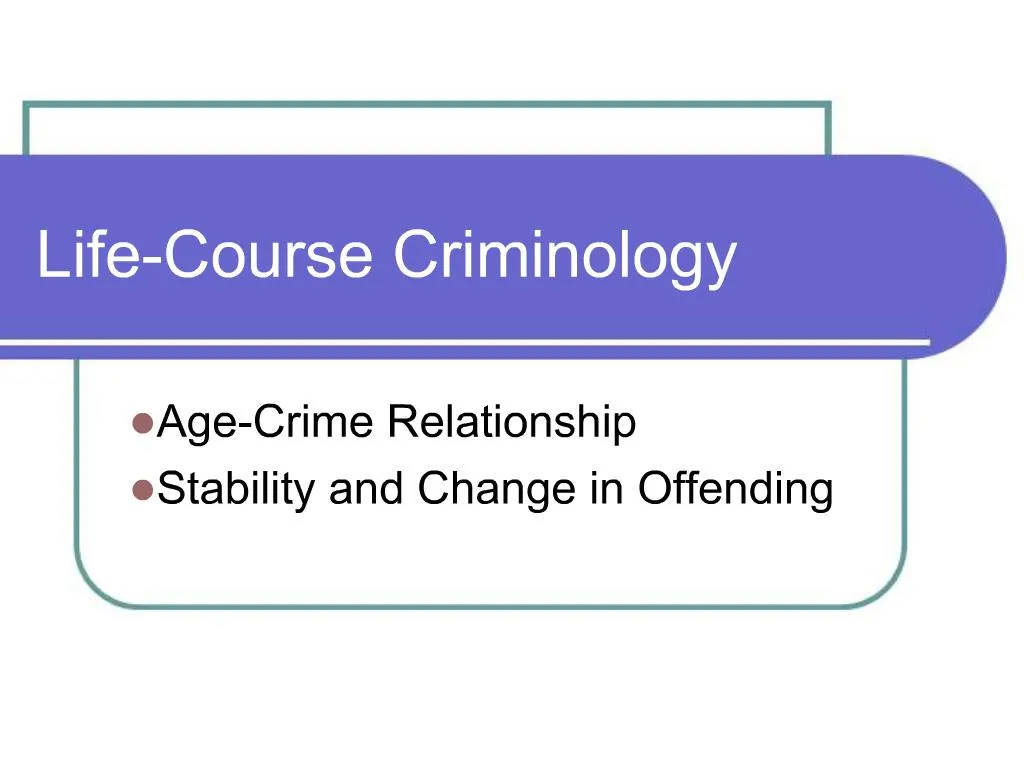
PPT LifeCourse Criminology PowerPoint Presentation, free download

LifeCourse Criminology 9780534574925 Alex Piquero Boeken

An Introduction to LifeCourse Criminology

Handbook of LifeCourse Criminology Emerging Trends and Directions for

PPT LifeCourse Criminology PowerPoint Presentation, free download
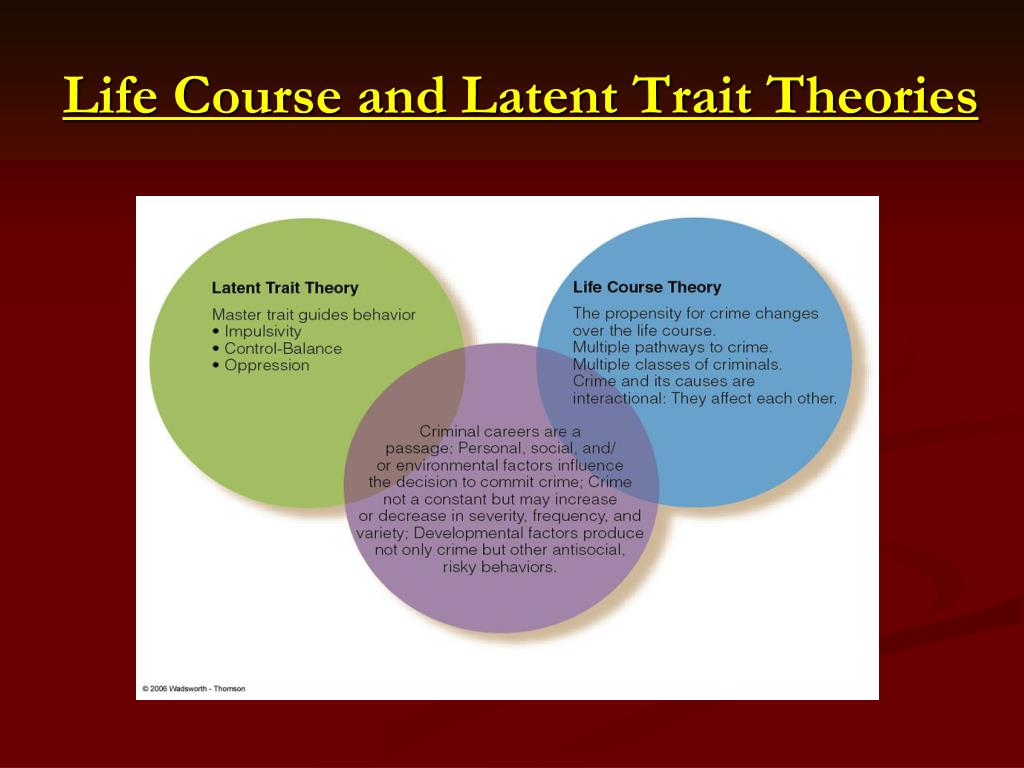
Trait Theory Criminology
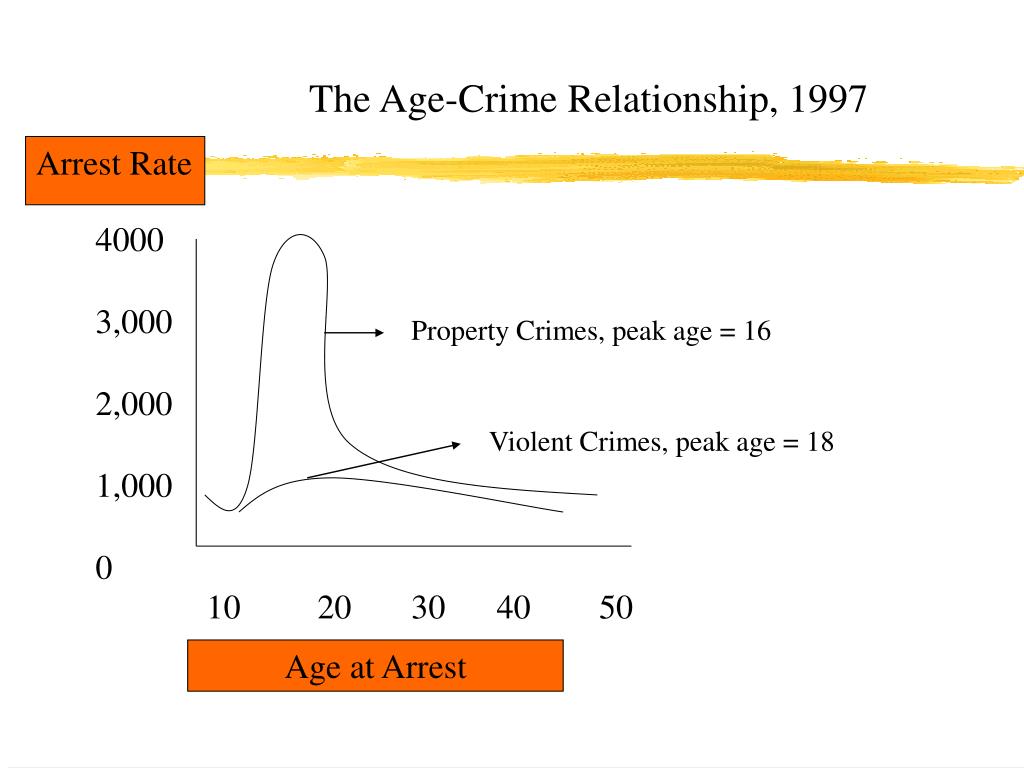
PPT LifeCourse Criminology PowerPoint Presentation, free download

(PDF) The Routledge International Handbook of LifeCourse Criminology
Our Science And Engineering Courses Bring A Variety Of Science Topics To Life.
The Developmental Life Course Perspective Emphasizes The Importance Of Milestones, Events, And Transitions Throughout Life In Understanding When Or If Criminal Behavior Will Start And Stop.
Life Course Theory In Criminology Examines How Individual Experiences And Events Across The Lifespan Shape Criminal Behavior, Incorporating Factors Like Age, Socialization, And Life Events.
The Theory Is Grounded In The.
Related Post: