
Non Credit Course Definition
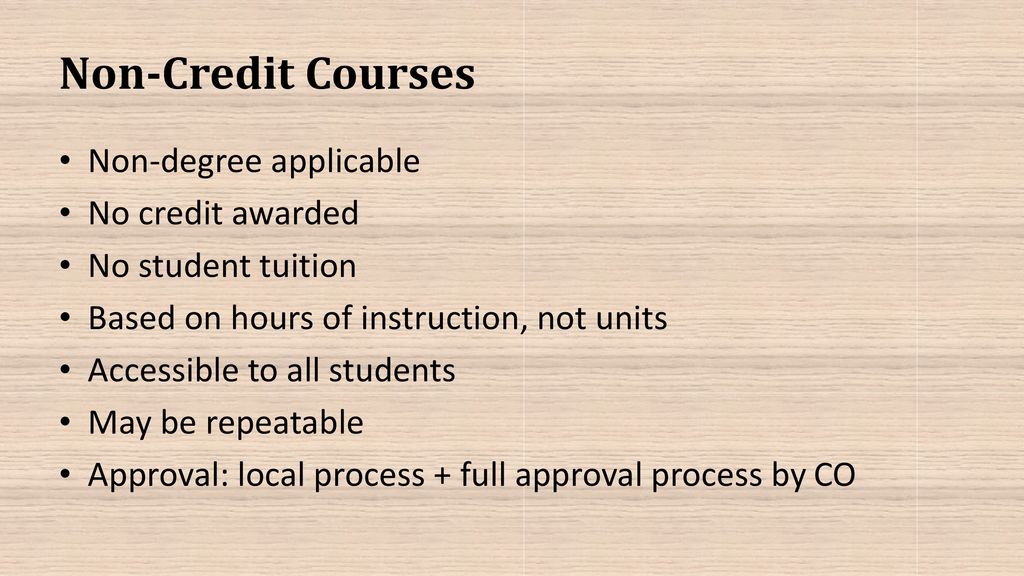
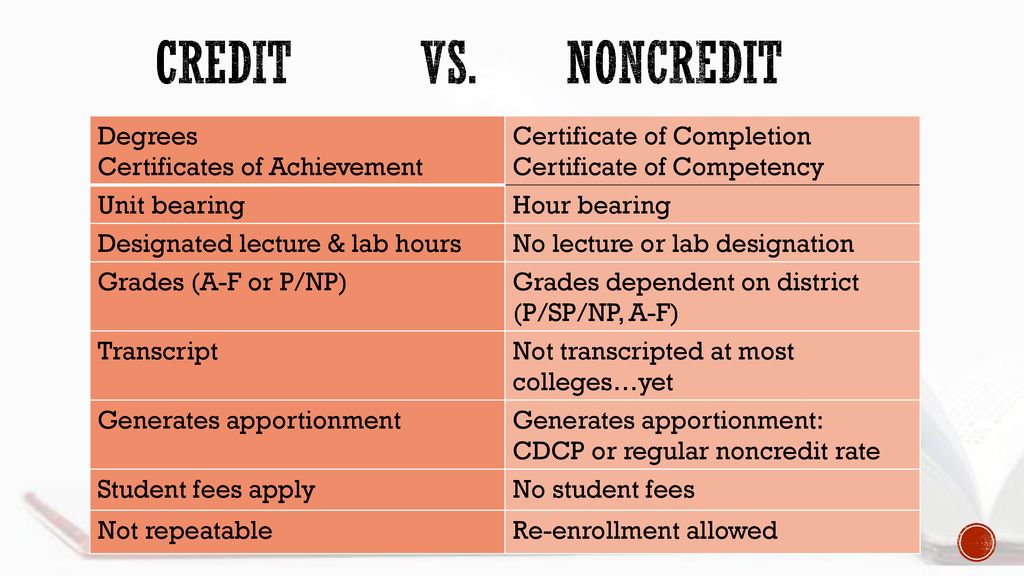
Non Credit Course Definition - Noncredit courses are offered through continuing education. Ceus are nationally recognized credentials, regulated by the iacet, or international association for continuing education and training. By definition, credit programs allow students to earn college credit toward obtaining a degree. Credit courses are usually taken to work towards a degree program. Credit refers to degree credit. Non credit courses commonly credit students with ceus, or continuing education units. Short modules for the basics. Students who take credit courses receive a letter grade (a,. Noncredit courses cannot be used toward a credit degree, but (and here is where it seems muddy) many noncredit job training and skill building courses award continuing education units, industry certifications or continuing education certificates. You might take a noncredit course, sometimes called continuing education, to gain job skills or just for fun. Ceus help to create an academic record for students who are taking classes, but are not pursuing degrees. These courses can be an excellent way to build professional skills, prepare you for the workforce or increase your value to employers. Instead, they focus on providing knowledge, practical skills, and personal enrichment. You might not be familiar with the difference between the two, but they each play a key role in higher education and provide valuable career training, and one might be a better fit for you. Credit classes are best for students pursuing a degree, transfer, or career certification. Students who take credit courses receive a letter grade (a,. They are intended for students who want to gain general knowledge, learn a new skill, upgrade existing skills or develop personal interests. Noncredit courses are offered through continuing education. A noncredit course is one that is approved by the college and district as meeting the needs of enrolled students but that does not award college credit and does not go on a transcript. Ceus are nationally recognized credentials, regulated by the iacet, or international association for continuing education and training. Instead, they focus on providing knowledge, practical skills, and personal enrichment. Students who take credit courses receive a letter grade (a,. These courses can be an excellent way to build professional skills, prepare you for the workforce or increase your value to employers. By definition, credit programs allow students to earn college credit toward obtaining a degree. Every course is. Every course is designed to teach you what you need to know in today’s job market. Ceus help to create an academic record for students who are taking classes, but are not pursuing degrees. Noncredit courses are offered through continuing education. Credit refers to degree credit. Earn college credits that may be applicable to certificates or degrees. Credit refers to degree credit. Ceus are nationally recognized credentials, regulated by the iacet, or international association for continuing education and training. These courses can be an excellent way to build professional skills, prepare you for the workforce or increase your value to employers. In general, credit courses are designed for students who are interested in earning college units towards. Credit courses are usually taken to work towards a degree program. These courses can be an excellent way to build professional skills, prepare you for the workforce or increase your value to employers. Instead, they focus on providing knowledge, practical skills, and personal enrichment. Non credit courses commonly credit students with ceus, or continuing education units. Every course is designed. You might not be familiar with the difference between the two, but they each play a key role in higher education and provide valuable career training, and one might be a better fit for you. Credit courses provide college units for students working towards a credit credential. A noncredit course is one that is approved by the college and district. Short modules for the basics. They are intended for students who want to gain general knowledge, learn a new skill, upgrade existing skills or develop personal interests. Non credit courses commonly credit students with ceus, or continuing education units. Noncredit courses are offered through continuing education. Ceus help to create an academic record for students who are taking classes, but. Earn college credits that may be applicable to certificates or degrees. Credit refers to degree credit. Short modules for the basics. Ceus are nationally recognized credentials, regulated by the iacet, or international association for continuing education and training. Noncredit courses cannot be used toward a credit degree, but (and here is where it seems muddy) many noncredit job training and. Earn college credits that may be applicable to certificates or degrees. These courses can be an excellent way to build professional skills, prepare you for the workforce or increase your value to employers. Non credit courses commonly credit students with ceus, or continuing education units. Ceus help to create an academic record for students who are taking classes, but are. Credit courses are usually taken to work towards a degree program. You might take a noncredit course, sometimes called continuing education, to gain job skills or just for fun. Non credit courses commonly credit students with ceus, or continuing education units. Credit classes are best for students pursuing a degree, transfer, or career certification. Ceus are nationally recognized credentials, regulated. Every course is designed to teach you what you need to know in today’s job market. Credit classes are best for students pursuing a degree, transfer, or career certification. Earn college credits that may be applicable to certificates or degrees. Students who take credit courses receive a letter grade (a,. Short modules for the basics. Earn college credits that may be applicable to certificates or degrees. In general, credit courses are designed for students who are interested in earning college units towards a degree or certificate. Noncredit courses are offered through continuing education. By definition, credit programs allow students to earn college credit toward obtaining a degree. Short modules for the basics. They are intended for students who want to gain general knowledge, learn a new skill, upgrade existing skills or develop personal interests. A noncredit course is one that is approved by the college and district as meeting the needs of enrolled students but that does not award college credit and does not go on a transcript. These courses can be an excellent way to build professional skills, prepare you for the workforce or increase your value to employers. Students who take credit courses receive a letter grade (a,. Non credit courses commonly credit students with ceus, or continuing education units. Instead, they focus on providing knowledge, practical skills, and personal enrichment. You might not be familiar with the difference between the two, but they each play a key role in higher education and provide valuable career training, and one might be a better fit for you. Credit courses provide college units for students working towards a credit credential. Ceus are nationally recognized credentials, regulated by the iacet, or international association for continuing education and training. You might take a noncredit course, sometimes called continuing education, to gain job skills or just for fun. Credit courses are usually taken to work towards a degree program.
Credit vs. Noncredit Anne Arundel Community College
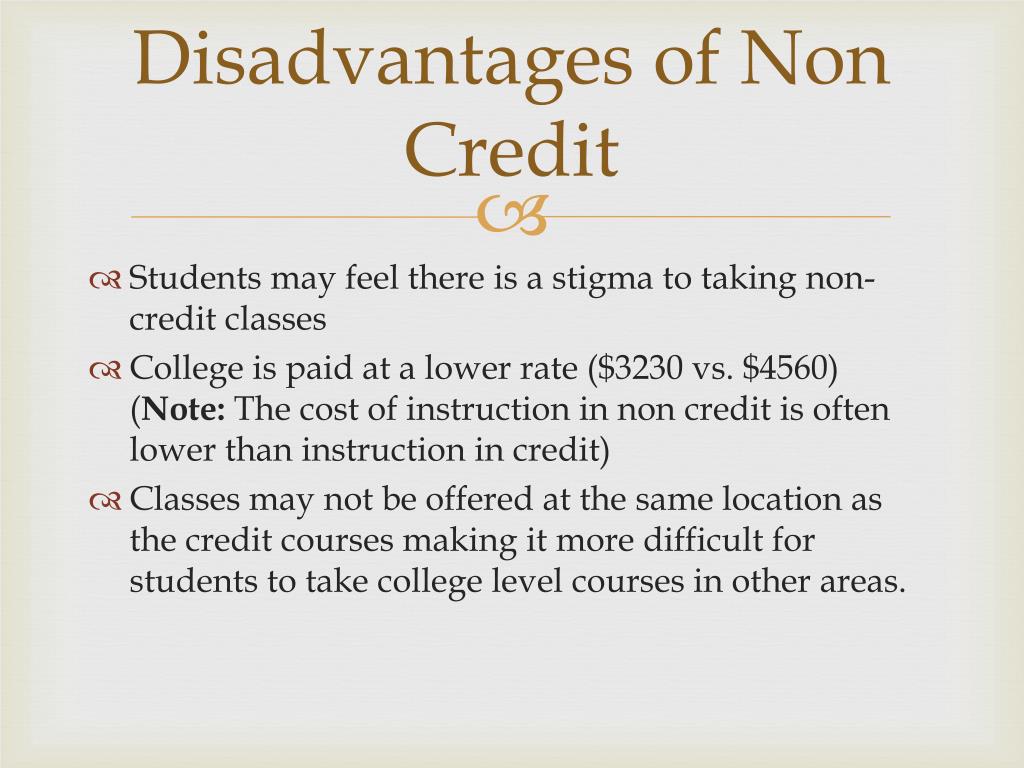
PPT Where Do The Pieces Fit? PowerPoint Presentation, free download

Development of New CTE Programs ppt download
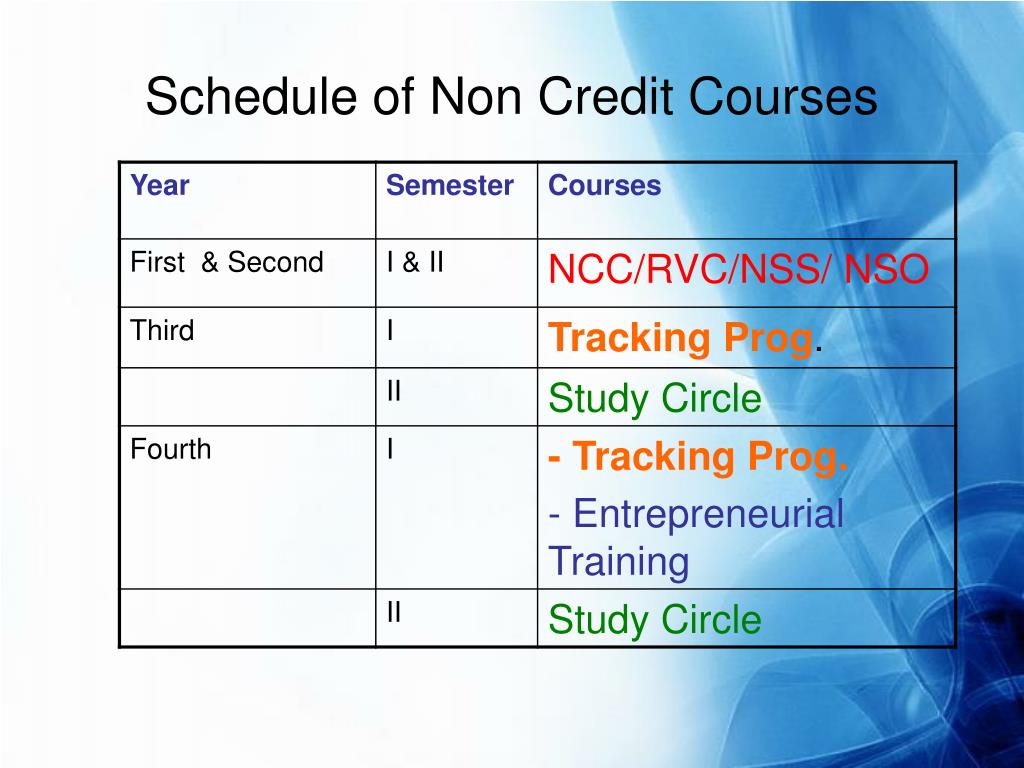
PPT Veterinary Education Regulations PowerPoint Presentation, free

Understanding Credit and Noncredit TCTC
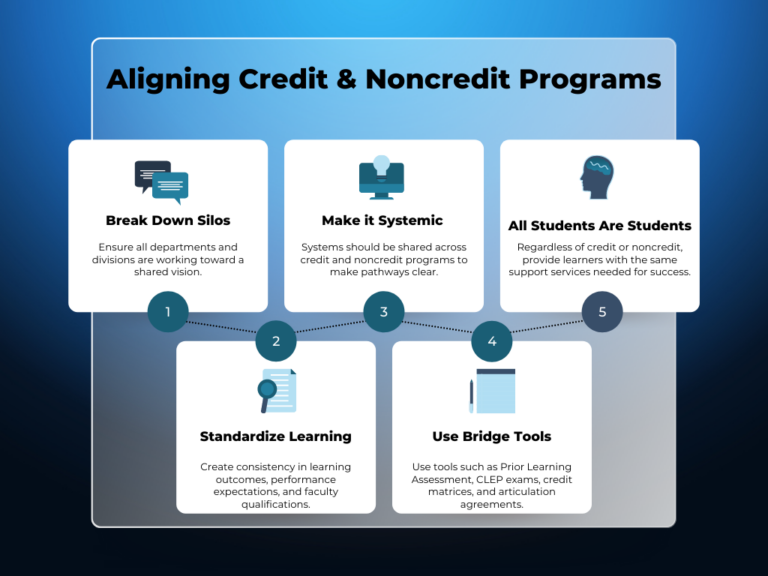
Aligning Credit and Noncredit Programs Learn Effective Strategies
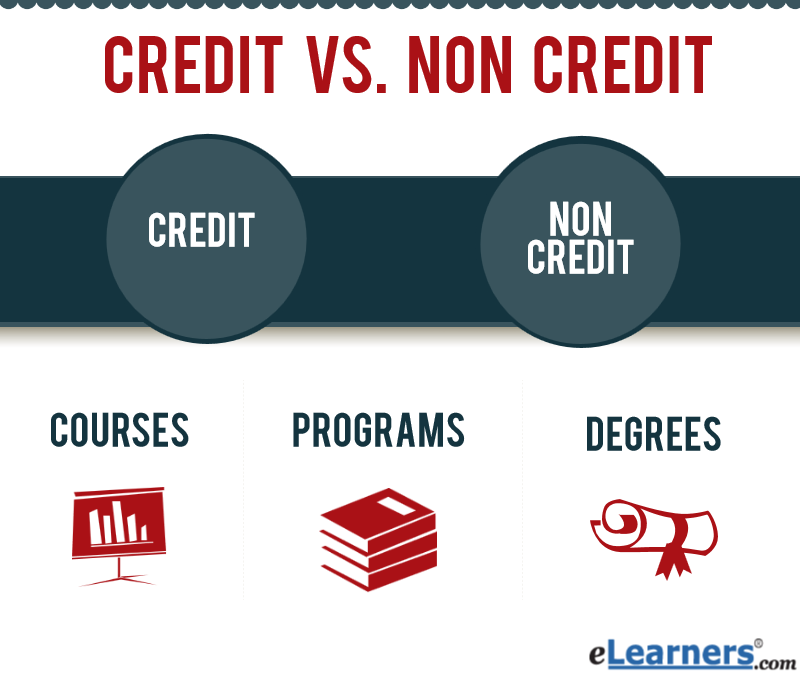
Credit vs. NonCredit

The Truth About NonCredit Courses Myths Debunked and Why They Matter
Development of New CTE Programs ppt download
Placing courses into areas of noncredit ppt download
Credit Classes Are Best For Students Pursuing A Degree, Transfer, Or Career Certification.
Ceus Help To Create An Academic Record For Students Who Are Taking Classes, But Are Not Pursuing Degrees.
Every Course Is Designed To Teach You What You Need To Know In Today’s Job Market.
Credit Refers To Degree Credit.
Related Post: