Objective Course
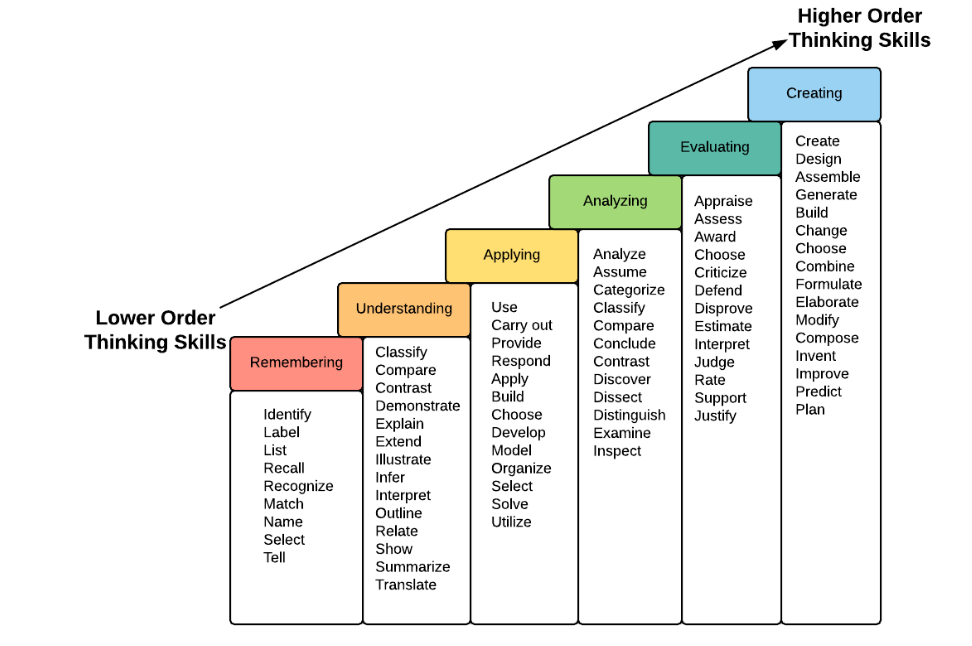
Objective Course - Learning objectives are different from goals in that objectives are narrow, discrete intentions of student. Course objectives are specific statements that describe what the instructor intends to teach during the course. What does a course objective look like? Bloom’s taxonomy is a classification of the different outcomes and skills that educators set for their students (learning outcomes). How to write learning objectives effectively; Once you have written your course goals, you should develop learning objectives. The terminology has been recently updated to include the. These objectives help establish clear. Boost your training design with the free learning objectives generator to. Sustainability learning outcomes/objectives are statements that outline the specific sustainability knowledge and skills that a student is expected to have gained and demonstrated by the. Course objectives allow your students to gain clarity on the scope of their learning and provide a framework that they can refer back to whenever they need. Learning objectives are different from goals in that objectives are narrow, discrete intentions of student. Teaching objectives are very helpful in creating lesson. Clear, actionable learning objectives ensure your training sessions are focused, measurable, and lead to results. The students will determine the developmental needs of children across all domains. Course objectives reflect specific knowledge, skills, abilities, or competencies that instructors expect students to acquire from a particular course. Bloom’s taxonomy is a hierarchical model used for classifying learning objectives by levels of complexity and specificity. They outline the skills, knowledge, and attitudes that students are. Learning objectives identify what the learner will know and be able to do by the end of a course. These objectives help establish clear. Sustainability learning outcomes/objectives are statements that outline the specific sustainability knowledge and skills that a student is expected to have gained and demonstrated by the. Course objectives allow your students to gain clarity on the scope of their learning and provide a framework that they can refer back to whenever they need. Here are some “forbidden” terms below to assist. Boost your training design with the free learning objectives generator to. They outline the skills, knowledge, and attitudes that students are. The taxonomy was proposed in 1956 by benjamin bloom, an educational psychologist at the university of chicago. Boost your resumefree career guidesget certified & get hiredno enrolment fees For a course to meet the quality matters standards, it must. Teaching objectives are very helpful in creating lesson. Once you have written your course goals, you should develop learning objectives. Course objectives reflect specific knowledge, skills, abilities, or competencies that instructors expect students to acquire from a particular course. Course objectives are specific statements that describe what the instructor intends to teach during the course. Course objectives allow your students. Boost your training design with the free learning objectives generator to. Boost your resumefree career guidesget certified & get hiredno enrolment fees What does a course objective look like? Bloom’s taxonomy is a classification of the different outcomes and skills that educators set for their students (learning outcomes). Bloom’s taxonomy was created to outline and clarify how learners. Once you have written your course goals, you should develop learning objectives. Learning objectives identify what the learner will know and be able to do by the end of a course. Course objectives are specific statements that describe what the instructor intends to teach during the course. These objectives help establish clear. The terminology has been recently updated to include. They outline the skills, knowledge, and attitudes that students are. An effective learning objective is. Here are some “forbidden” terms below to assist you in creating measurable objectives: For a course to meet the quality matters standards, it must have learning objectives that are measurable and the assessments must align with the learning objectives. Bloom’s taxonomy is a classification of. Here are some “forbidden” terms below to assist you in creating measurable objectives: The taxonomy was proposed in 1956 by benjamin bloom, an educational psychologist at the university of chicago. Bloom’s taxonomy was created to outline and clarify how learners. Learning objectives are concise statements that describe what learners should know or be able to do by the end of. Learning objectives are concise statements that describe what learners should know or be able to do by the end of a specific lesson, course, or training. Clear, actionable learning objectives ensure your training sessions are focused, measurable, and lead to results. They are generally less broad that goals and more broad than student learning outcomes. They outline the skills, knowledge,. Training material and course outlines with learning objectives; Learning objectives identify what the learner will know and be able to do by the end of a course. Bloom’s taxonomy is a classification of the different outcomes and skills that educators set for their students (learning outcomes). The taxonomy was proposed in 1956 by benjamin bloom, an educational psychologist at the. Boost your training design with the free learning objectives generator to. They are generally less broad that goals and more broad than student learning outcomes. Course objectives are often very specific. Course objectives reflect specific knowledge, skills, abilities, or competencies that instructors expect students to acquire from a particular course. Once you have written your course goals, you should develop. Learning objectives are concise statements that describe what learners should know or be able to do by the end of a specific lesson, course, or training. Teaching objectives are very helpful in creating lesson. What does a course objective look like? The students will determine the developmental needs of children across all domains. Teaching objectives are statements written from an instructor’s perspective, providing the content, context, and direction of instruction. They outline the skills, knowledge, and attitudes that students are. Course objectives are often very specific. Boost your training design with the free learning objectives generator to. Course objectives reflect specific knowledge, skills, abilities, or competencies that instructors expect students to acquire from a particular course. An effective learning objective is. Understand, learn, know, become acquainted with, realize, recognize, internalize, appreciate,. Learning objectives identify what the learner will know and be able to do by the end of a course. Learning objectives are different from goals in that objectives are narrow, discrete intentions of student. The taxonomy was proposed in 1956 by benjamin bloom, an educational psychologist at the university of chicago. The terminology has been recently updated to include the. Course objectives allow your students to gain clarity on the scope of their learning and provide a framework that they can refer back to whenever they need.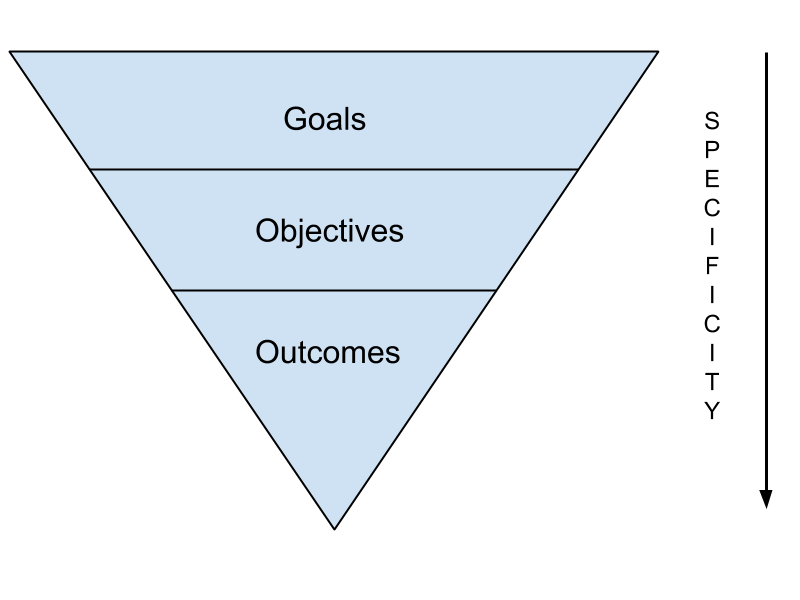
Course Objectives & Learning Course Design Teaching Guides
Writing Measurable Course Objectives The Center for Teaching and

10 Course Objectives Examples EdApp The Mobile LMS
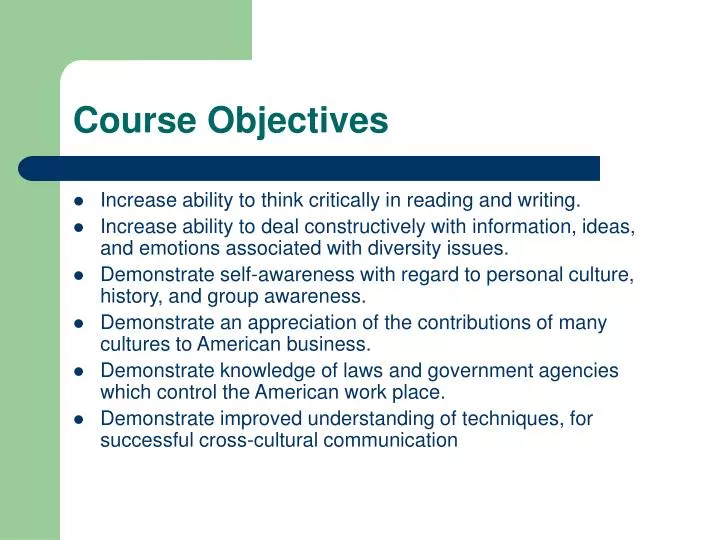
PPT Course Objectives PowerPoint Presentation, free download ID869480
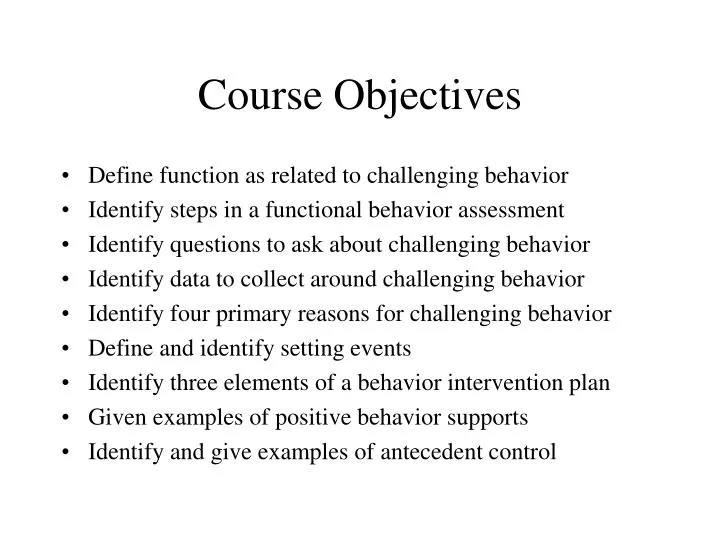
PPT Course Objectives PowerPoint Presentation, free download ID1801676
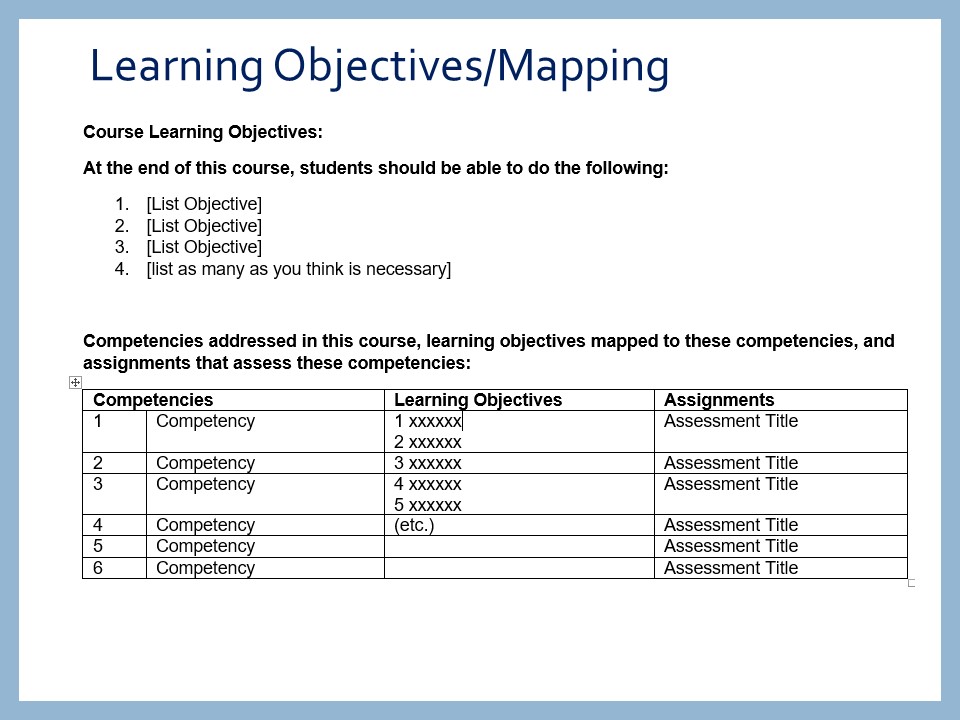
Syllabus Learning Objectives & Course Mapping Teaching Online Course
Learning objectives about the what, how and who Training Wizard
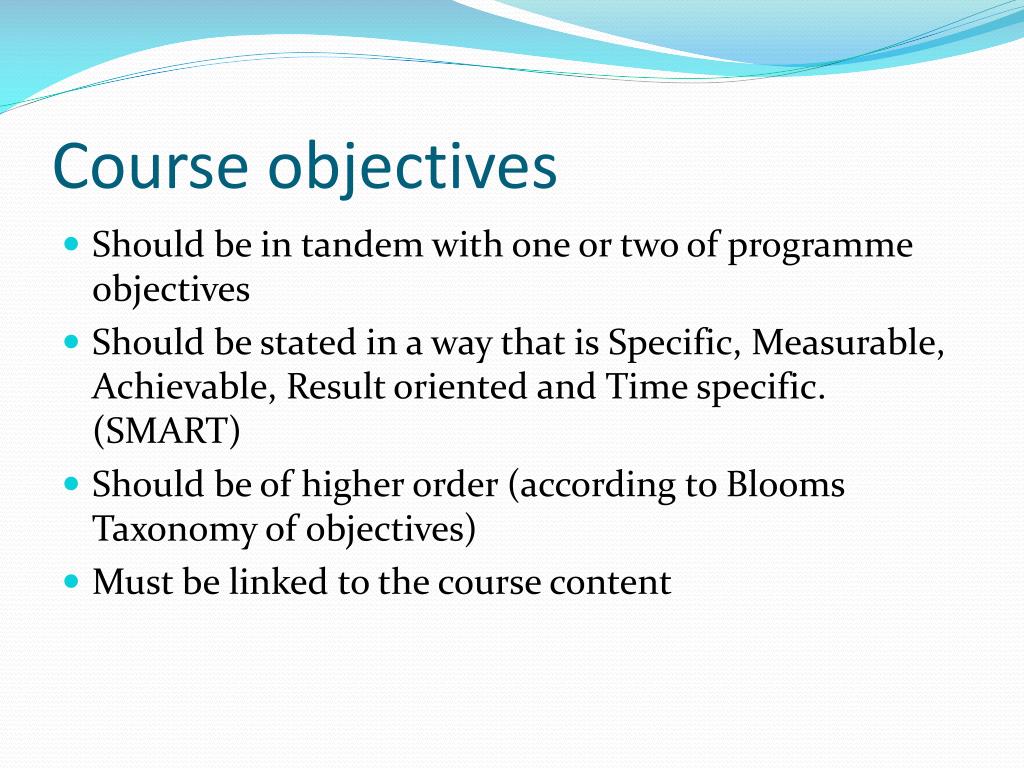
PPT COURSE OUTLINE PowerPoint Presentation, free download ID5573396
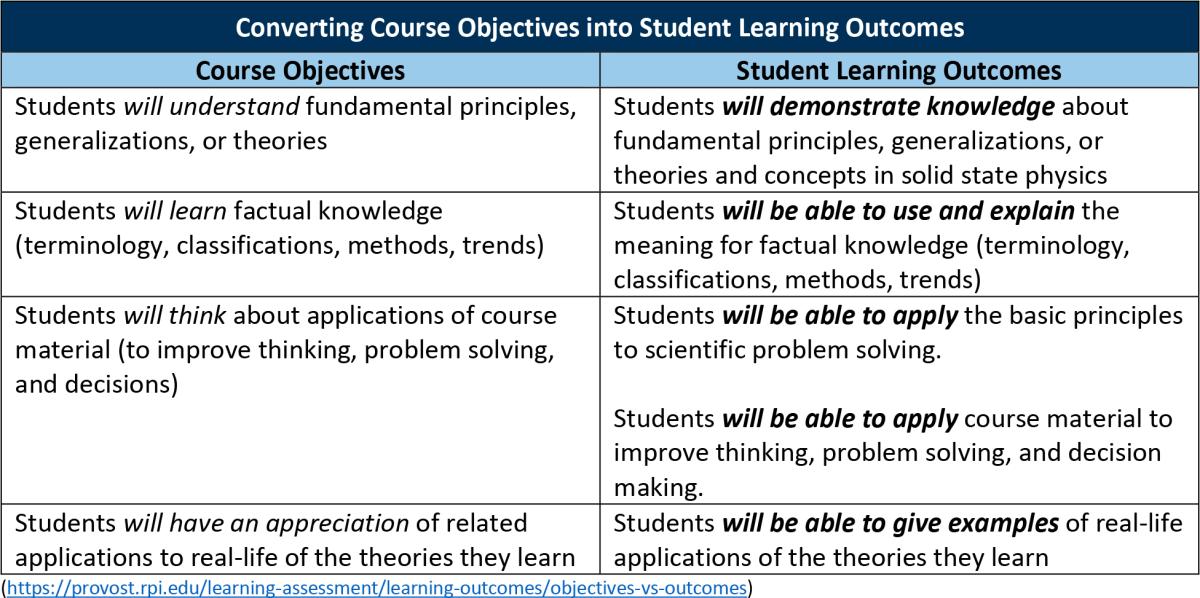
Student Learning The University of New Orleans
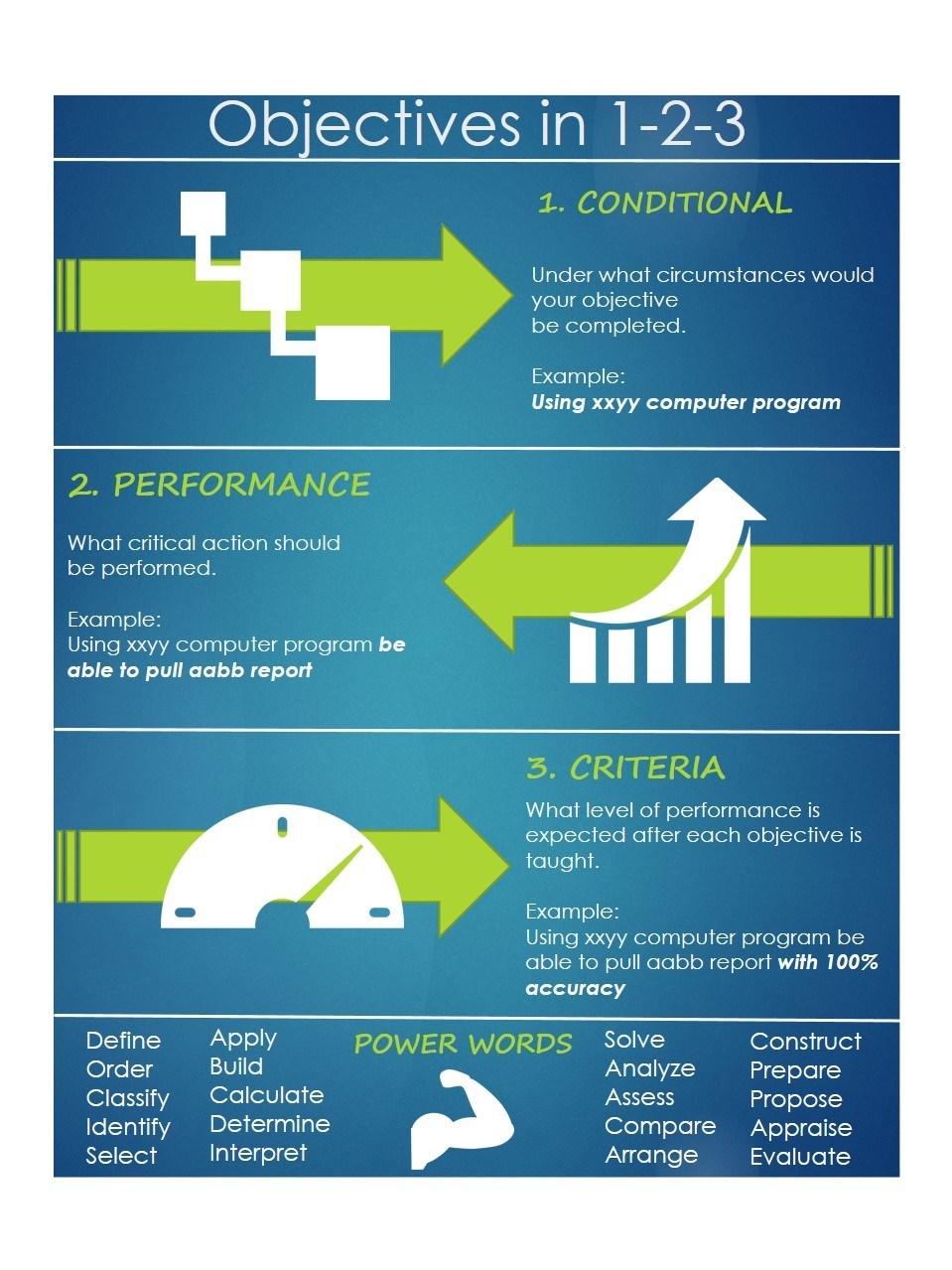
The 3 Main Components of Course Objectives Infographic eLearning
Once You Have Written Your Course Goals, You Should Develop Learning Objectives.
Sustainability Learning Outcomes/Objectives Are Statements That Outline The Specific Sustainability Knowledge And Skills That A Student Is Expected To Have Gained And Demonstrated By The.
Bloom’s Taxonomy Is A Hierarchical Model Used For Classifying Learning Objectives By Levels Of Complexity And Specificity.
Clear, Actionable Learning Objectives Ensure Your Training Sessions Are Focused, Measurable, And Lead To Results.
Related Post: