
Uic Bio Courses
Uic Bio Courses - Previously listed as bios 100. Bios 100 and bios 101 may be taken in any order. This course is intended for science majors. Biology of populations and communities. Information for new graduate students The department of biological sciences degree requirements are outlined below. Students completing a baccalaureate degree in biological sciences are prepared for a wide range of careers, including jobs in a variety of health professions, the veterinary or pharmaceutical sciences, public or private research, education, regulatory policy, conservation and wildlife biology, environmental professions, and agriculture. Scientific skills, evolution, mendelian and population genetics, biological diversity, and ecological systems including ecosystem processes and human impacts. Experienced faculty#3 in us for student roinew student discounts Introductory biology at the molecular, cellular, and organismal level. Previously listed as bios 100. Information for new graduate students Credit is not given for bios 110 if the student has credit in bios 100. In case anyone has taken any biology classes (200 level+) in which they consider to be an easier/lighter course load and wouldn't mind sharing their feedback, it would be greatly appreciated. This course is intended for science majors. Cell structure, respiration, photosynthesis, molecular genetics and development, structure and physiology of plants and animals. The department of biological sciences degree requirements are outlined below. Tuesday, december 10 2024 03:22 pm utc Biology of cells and organisms. This course is intended for science majors. Credit is not given for bios 120 if the student has credit in bios 101. Why major in biological sciences? Scientific skills, biological chemistry, cell structure and function, metabolism, cell division, molecular genetics, diversity, anatomy and physiology. This course is intended for science majors. Bios 100 and bios 101 may be taken in any order. Previously listed as bios 100. Introductory biology at the molecular, cellular, and organismal level. Molecular and cellular biology concentration. Introductory biology at the level of populations and communities. This course is intended for science majors. Whether your career goal is to become a field ecologist, a neuroscientist, a molecular biologist, or pursue a medical career, uic is the place to start. The department of biological sciences degree requirements are outlined below. Experienced faculty#3 in us for student roinew student discounts Previously listed as bios 101. Click on the links below to learn more about bios’. Cell structure, respiration, photosynthesis, molecular genetics and development, structure and physiology of plants and animals. This course is intended for science majors. To earn a bachelor of science in liberal arts and sciences degree from uic, students must complete university, college, and departmental degree requirements. The department of biological sciences degree requirements are outlined below. Scientific skills, biological chemistry, cell. See course information below for specific dates and times. Why major in biological sciences? Click on the links below to learn more about bios’ current and new courses. Biochemistry, biological sciences, bioengineering, chemistry, earth and environmental sciences, neuroscience, and physics. Previously listed as bios 101. Bios 110 and bios 120 may be taken in any order. Molecular and cellular biology concentration. To earn a bachelor of science in liberal arts and sciences degree from uic, students must complete university, college, and departmental degree requirements. Scientific skills, evolution, mendelian and population genetics, biological diversity, and ecological systems including ecosystem processes and human impacts. Previously listed as. This course is intended for science majors. Cell structure, respiration, photosynthesis, molecular genetics and development, structure and physiology of plants and animals. Credit is not given for bios 110 if the student has credit in bios 100. Biology of cells and organisms (daemicke). Previously listed as bios 101. Processes of cellular and organismic function: Bios 100 and bios 101 may be taken in any order. Cell structure, respiration, photosynthesis, molecular genetics and development, structure and physiology of plants and animals. Click on the links below to learn more about bios’ current and new courses. The department of biological sciences degree requirements are outlined below. Biological sciences offers degrees in biology, neuroscience and integrated health sciences. Credit is not given for bios 120 if the student has credit in bios 101. Bios 100 and bios 101 may be taken in any order. Special courses (bios 196, 391, 399) bios 196: Click on the links below to learn more about bios’ current and new courses. Introductory biology at the level of populations and communities. Bios 100 and bios 101 may be taken in any order. Biology of populations and communities. Biochemistry, biological sciences, bioengineering, chemistry, earth and environmental sciences, neuroscience, and physics. Click on the links below to learn more about bios’ current and new courses. Scientific skills, evolution, mendelian and population genetics, biological diversity, and ecological systems including ecosystem processes and human impacts. Special courses (bios 196, 391, 399) bios 196: Introductory biology at the molecular, cellular, and organismal level. Evolution, ecology and environmental biology concentration. Why major in biological sciences? This course is intended for science majors. Processes of cellular and organismic function: Previously listed as bios 100. Information for new graduate students Bios 100 and bios 101 may be taken in any order. Special courses (bios 196, 391, 399) bios 196: Our professional academic advisors are dedicated to assisting you in planning your course schedule and achieving your career aspirations. Cell structure, respiration, photosynthesis, molecular genetics and development, structure and physiology of plants and animals. Click on the links below to learn more about bios’ current and new courses. Biology of populations and communities. Information for students considering graduate school;
Undergraduate Richard and Loan Hill Department of Biomedical
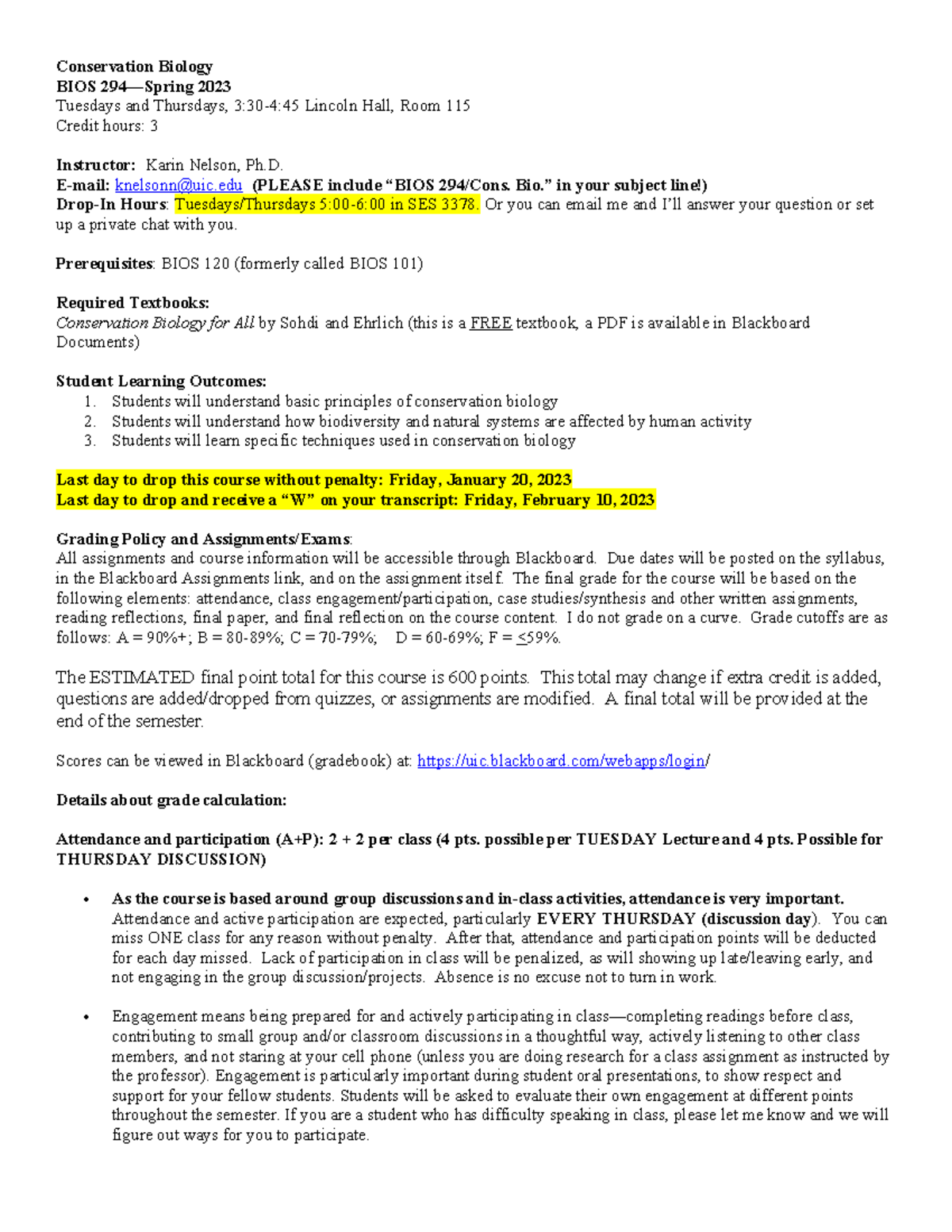
Syllabus BIOS 294 Conservation Biology Spring 2023 Conservation
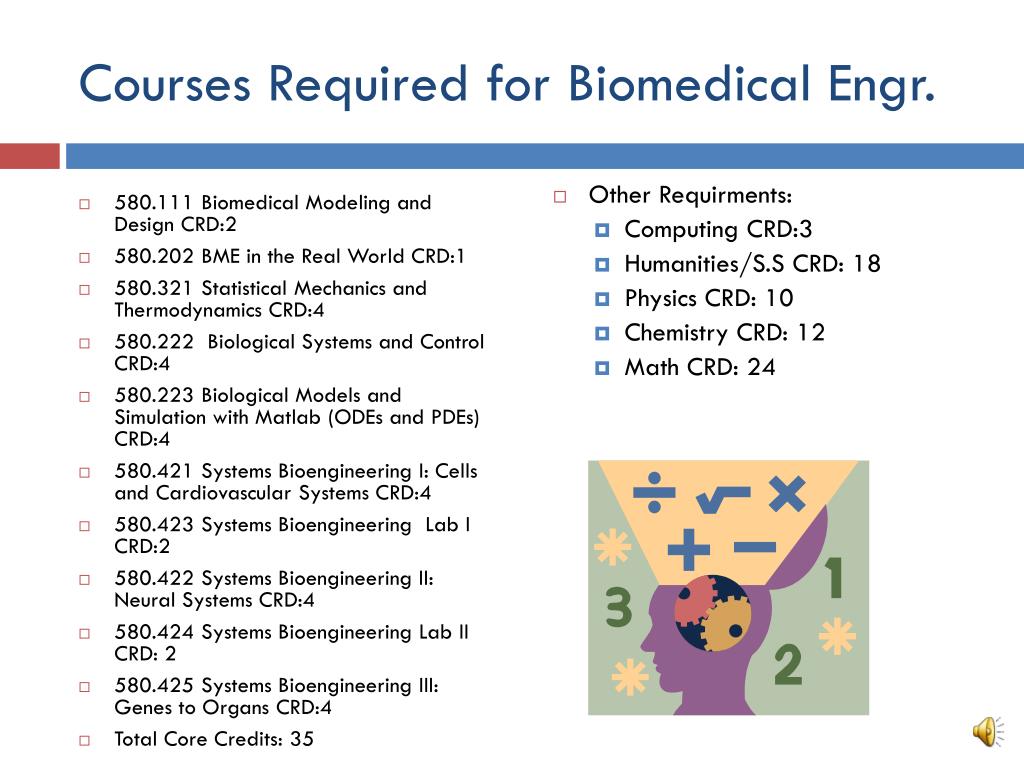
PPT biomedical Engineering PowerPoint Presentation, free download
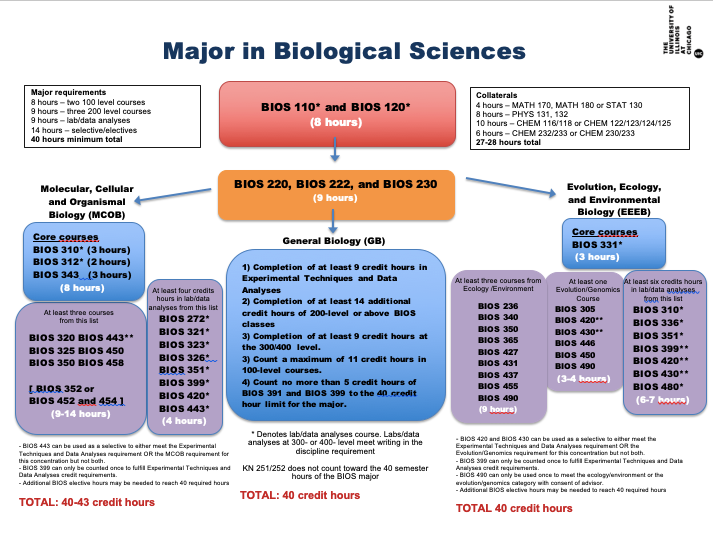
BIOS Curriculum Biological Sciences University of Illinois Chicago

Student Affairs UC Irvine Biological Sciences Undergraduate
UIC Courses PDF

UIC Bioinformatics Courses
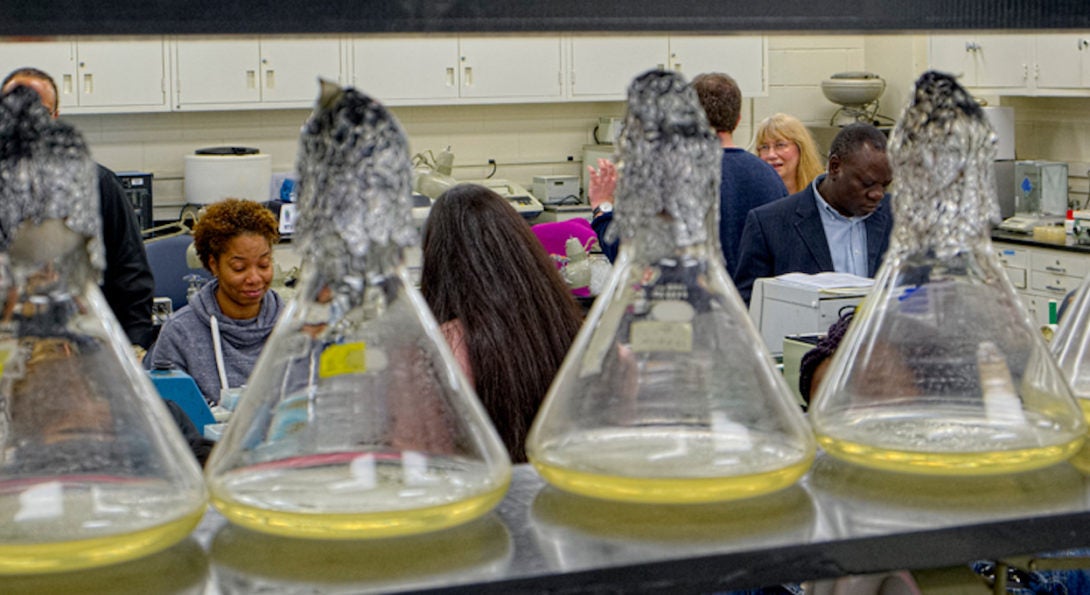
About PBRC PREP Portal to Biomedical Research Careers
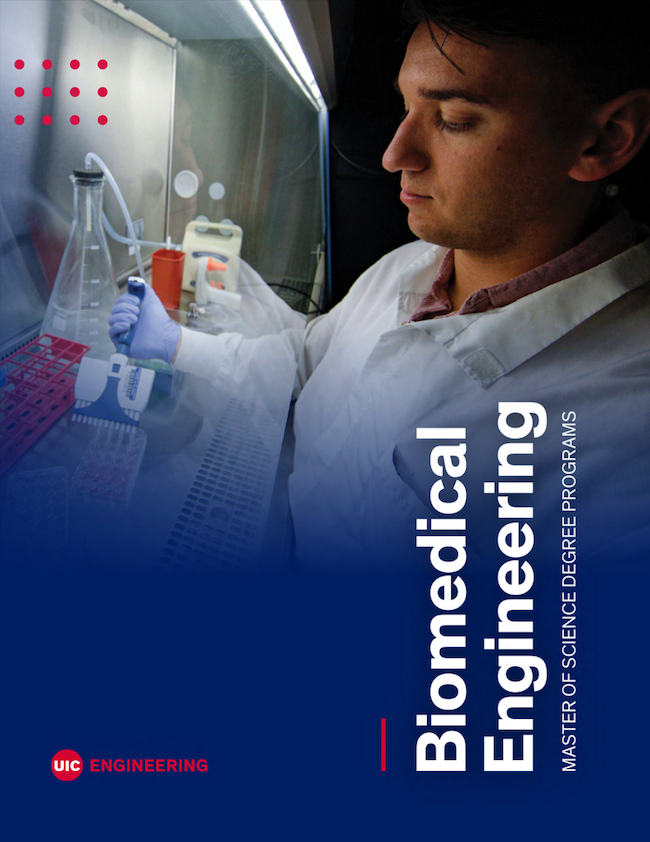
Graduate Admissions Richard and Loan Hill Department of Biomedical
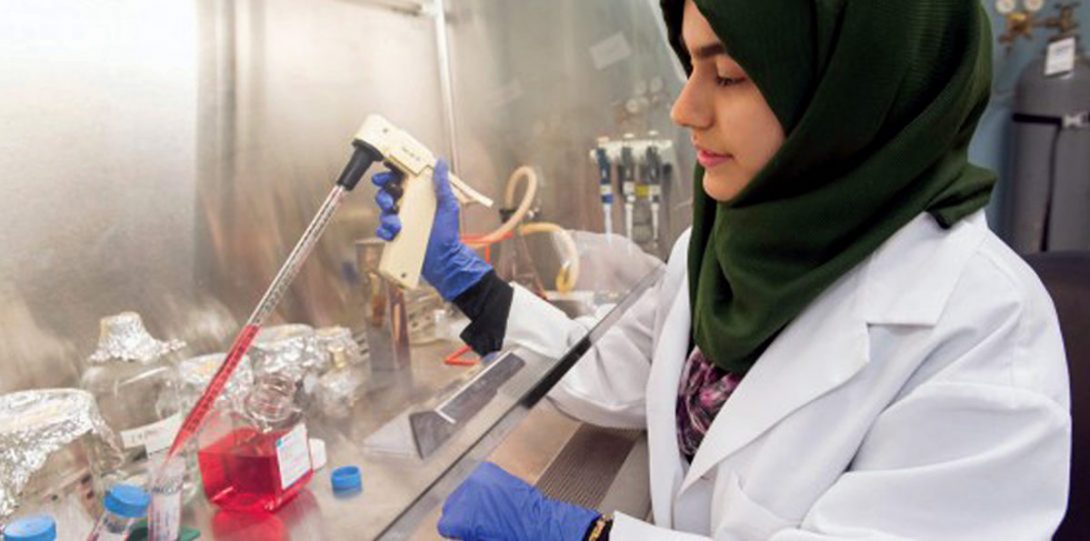
Graduate Studies Biological Sciences University of Illinois Chicago
Whether Your Career Goal Is To Become A Field Ecologist, A Neuroscientist, A Molecular Biologist, Or Pursue A Medical Career, Uic Is The Place To Start.
Cell Structure, Respiration, Photosynthesis, Molecular Genetics And Development, Structure And Physiology Of Plants And Animals.
This Course Is Intended For Science Majors.
This Course Is Intended For Science Majors.
Related Post:
