
What Is True Course
What Is True Course - Magnetic heading is your direction relative to magnetic north, read from your magnetic compass. Here is a cheat sheet showing the difference between true course, headings, & bearings along with a list of what is described in magnetic verses true, and statute miles (sm). It is defined as the angle between the aircraft's longitudinal axis and a. It is the direction in which the vessel or. True course) would be the angle in degrees between the true or geographic north and the course. A true heading is the course corrected for. The true course is the aircraft path over the ground referenced to true north. You'll get the most accurate tc if you measure it in. A true course is a heading based on the direction you intend to travel. The true heading in the direction the aircraft nose is pointing referenced to true north. True heading is your direction relative to true north, or the geographic north pole. A ship’s true course is determined by the direction from the ship to the geographic north pole (also called true north). True course is measured with a navigation plotter and a sectional map. Navigation charts and the compass are labeled with true north, but setting a. In this insightful lawyers who learn episode, david schnurman, ceo of lawline, has a conversation with drew amoroso, founder of duecourse,. It is the direction in which the vessel or. The aircraft's course over the ground relative to true north. A true heading is the course corrected for. The tariff backstory for individual purchases we’re considering making is arguably a more valuable data point than a superficial, potentially misleading “made in the u.s.a.” or. True course (tc) refers to the actual direction a pilot or navigator must follow to reach their intended destination. It is the direction in which the vessel or. The aircraft's course over the ground relative to true north. A true course is a heading based on the direction you intend to travel. True heading is your direction relative to true north, or the geographic north pole. The true course is the aircraft path over the ground referenced to true. True heading is your direction relative to true north, or the geographic north pole. The true course is the aircraft path over the ground referenced to true north. Remember that because of the projection of the map, it. True course) would be the angle in degrees between the true or geographic north and the course. The true heading in the. You'll get the most accurate tc if you measure it in. The tariff backstory for individual purchases we’re considering making is arguably a more valuable data point than a superficial, potentially misleading “made in the u.s.a.” or. A true course is a heading based on the direction you intend to travel. It is the direction in which the vessel or.. Magnetic heading is your direction relative to magnetic north, read from your magnetic compass. Remember that because of the projection of the map, it. Navigation charts and the compass are labeled with true north, but setting a. Here is a cheat sheet showing the difference between true course, headings, & bearings along with a list of what is described in. Students at arizona state university love the dreamscape learn virtual reality biology experiences, and the intense engagement it creates is leading to higher grades and. The difference between the two results from a crosswind, which may require you to fly a different true heading to achieve your true course. What is true course vs. The aircraft's course over the ground. What is true course vs. True course) would be the angle in degrees between the true or geographic north and the course. It is measured from the geographic (or magnetic) north in. Magnetic heading is your your true course. This video explains how direction is measured on earth and the concepts of true course (tc), magnetic variation and magnetic course. The true course refers to the planned or intended direction of travel, expressed in degrees relative to true north (the geographic north pole). It is defined as the angle between the aircraft's longitudinal axis and a. True course) would be the angle in degrees between the true or geographic north and the course. This is the course measured from your. What is true course vs. True course (tc) refers to the actual direction a pilot or navigator must follow to reach their intended destination. It is the direction in which the vessel or. The tariff backstory for individual purchases we’re considering making is arguably a more valuable data point than a superficial, potentially misleading “made in the u.s.a.” or. This. The true course refers to the planned or intended direction of travel, expressed in degrees relative to true north (the geographic north pole). True course (tc) is the direction or heading you calculate when plotting your flight's route on a sectional chart using a navigation plotter. A ship’s true course is determined by the direction from the ship to the. The aircraft's course over the ground relative to true north. It is measured from the geographic (or magnetic) north in. Remember that because of the projection of the map, it. True heading is your direction relative to true north, or the geographic north pole. A true heading is the course corrected for. True course) would be the angle in degrees between the true or geographic north and the course. Navigation charts and the compass are labeled with true north, but setting a. It is defined as the angle between the aircraft's longitudinal axis and a. In this insightful lawyers who learn episode, david schnurman, ceo of lawline, has a conversation with drew amoroso, founder of duecourse,. True heading is your direction relative to true north, or the geographic north pole. A ship’s true course is determined by the direction from the ship to the geographic north pole (also called true north). It might be the same as your magnetic heading in perfect conditions, with no winds. The aircraft's course over the ground relative to true north. What is true course vs. The true course is the aircraft path over the ground referenced to true north. Remember that because of the projection of the map, it. The true course refers to the planned or intended direction of travel, expressed in degrees relative to true north (the geographic north pole). True course (tc) refers to the actual direction a pilot or navigator must follow to reach their intended destination. This is the course measured from your navigation plotter when you plot your flight on your map. Here is a cheat sheet showing the difference between true course, headings, & bearings along with a list of what is described in magnetic verses true, and statute miles (sm). Magnetic heading is your direction relative to magnetic north, read from your magnetic compass.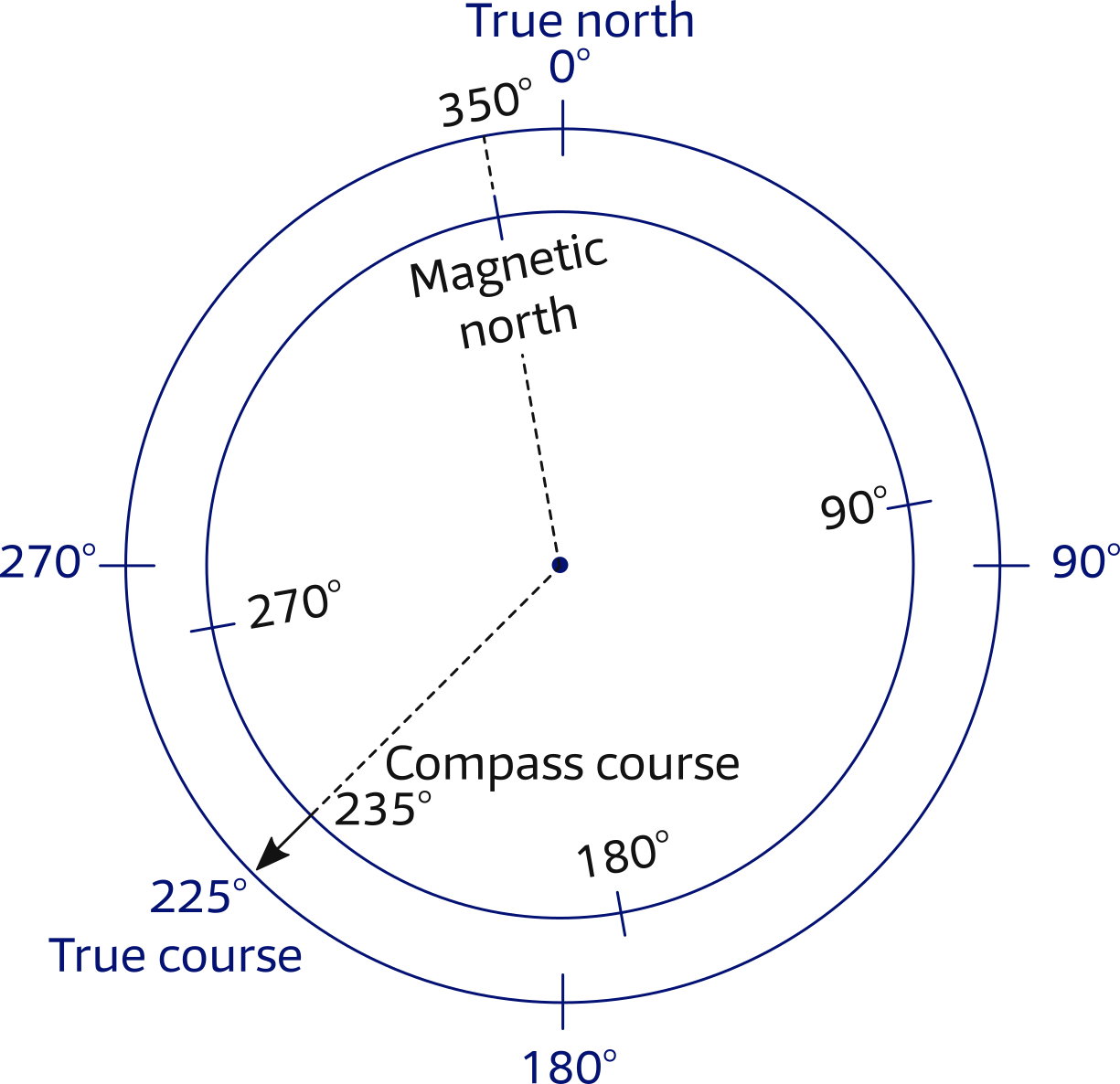
Marine navigation courses compass ASA RYA
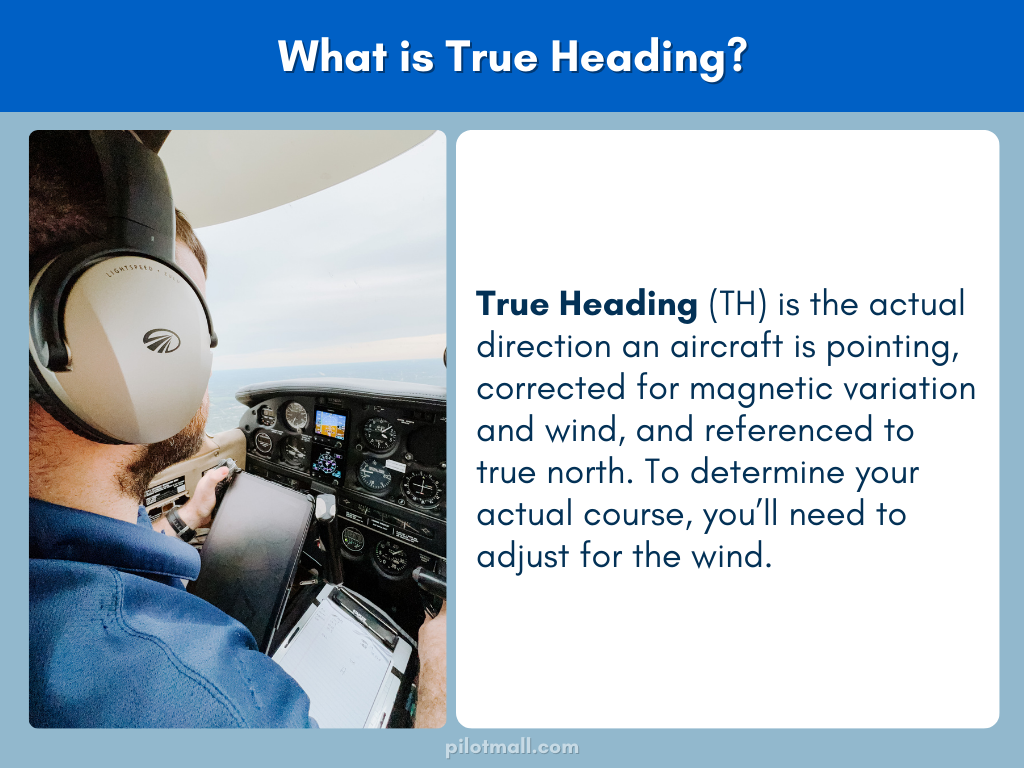
True Course vs True Heading vs (How Are They Different?)
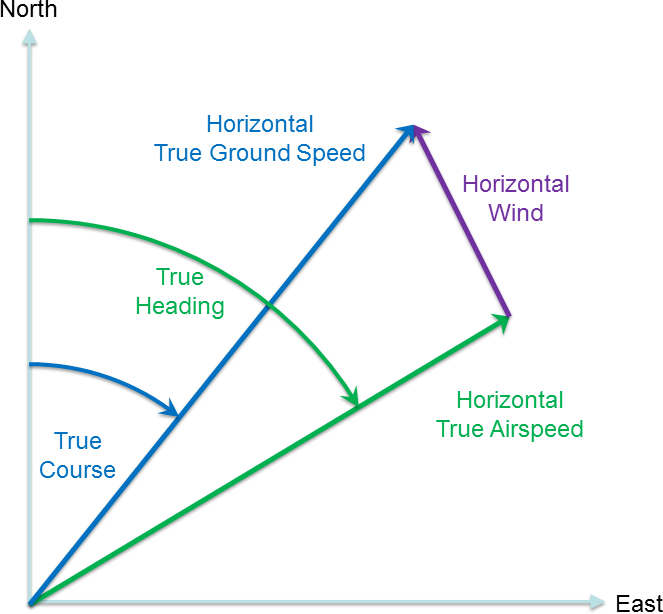
Aircraft Maneuvers STK Components for 2021 r2

HOW TO SOLVE TRUE COURSE YouTube
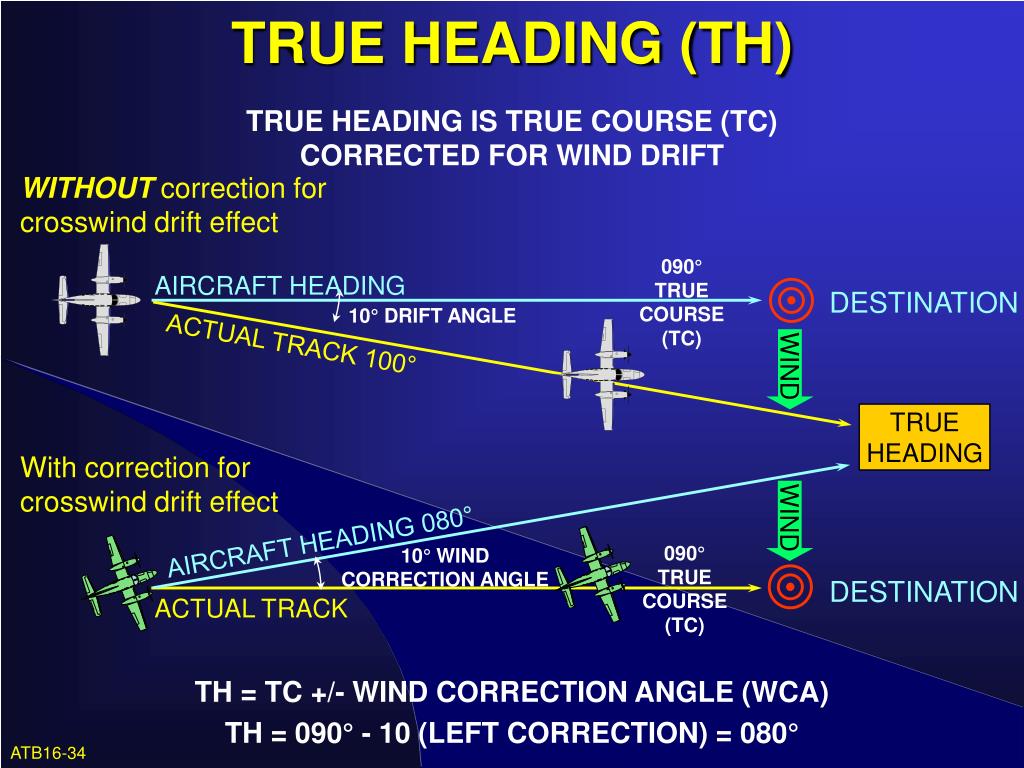
PPT Let’s see… Shall I navigate today by... PowerPoint Presentation
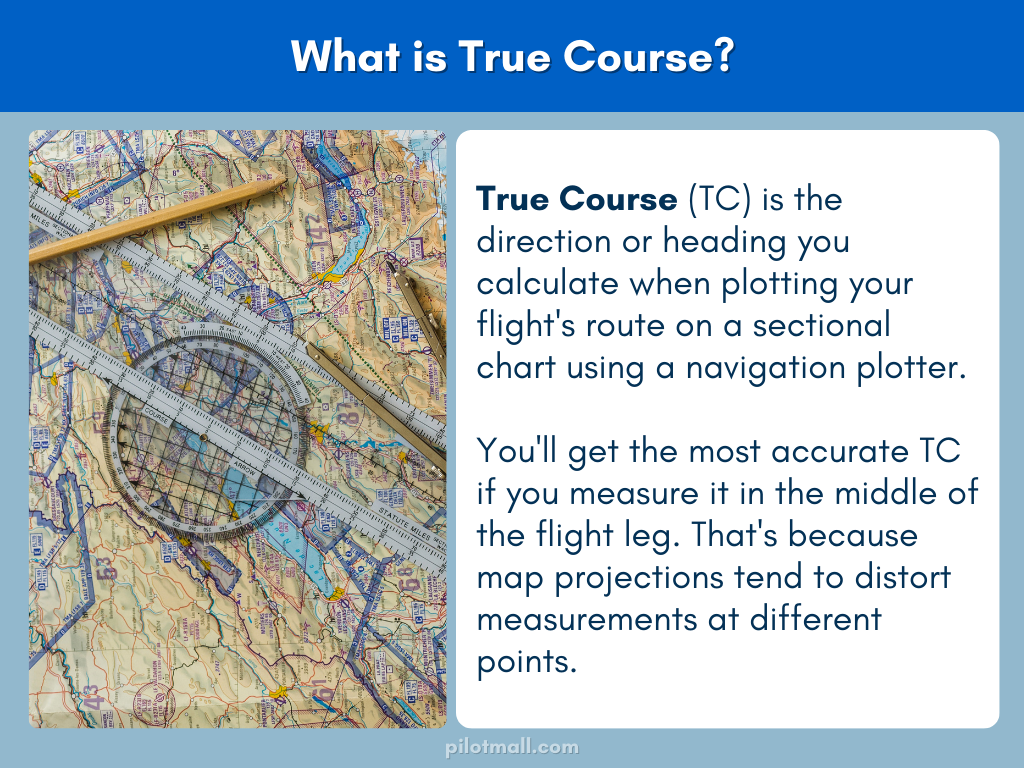
True Course vs True Heading vs (How Are They Different?)

Enriching an NMEA Stream

True and Course Courses and Headings in Navigation (Part 1/2
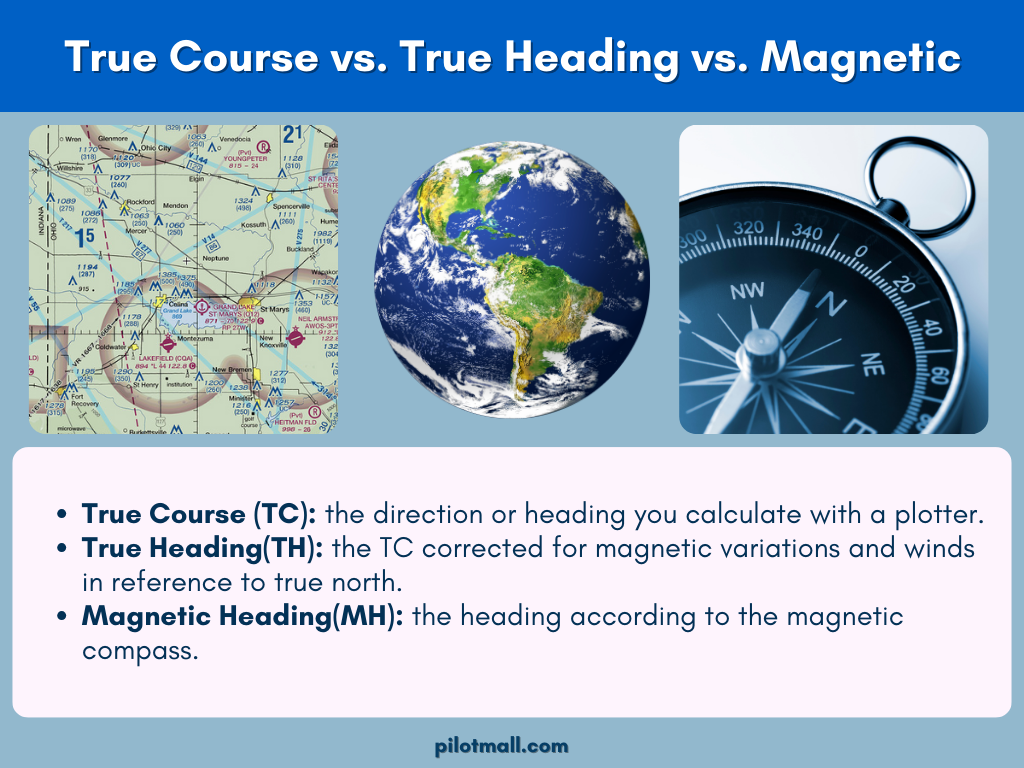
True Course vs True Heading vs (How Are They Different?)
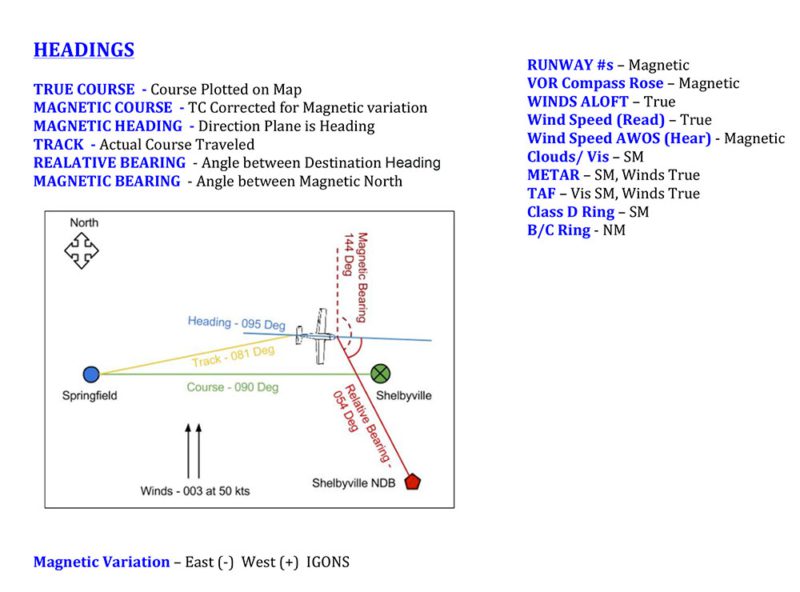
Heading, Course, Bearing, True Blonds In Aviation
It Is Measured From The Geographic (Or Magnetic) North In.
True Course Is Measured With A Navigation Plotter And A Sectional Map.
This Video Explains How Direction Is Measured On Earth And The Concepts Of True Course (Tc), Magnetic Variation And Magnetic Course (Mc) With Graphical Examp.
Magnetic Heading Is Your Your True Course.
Related Post: